
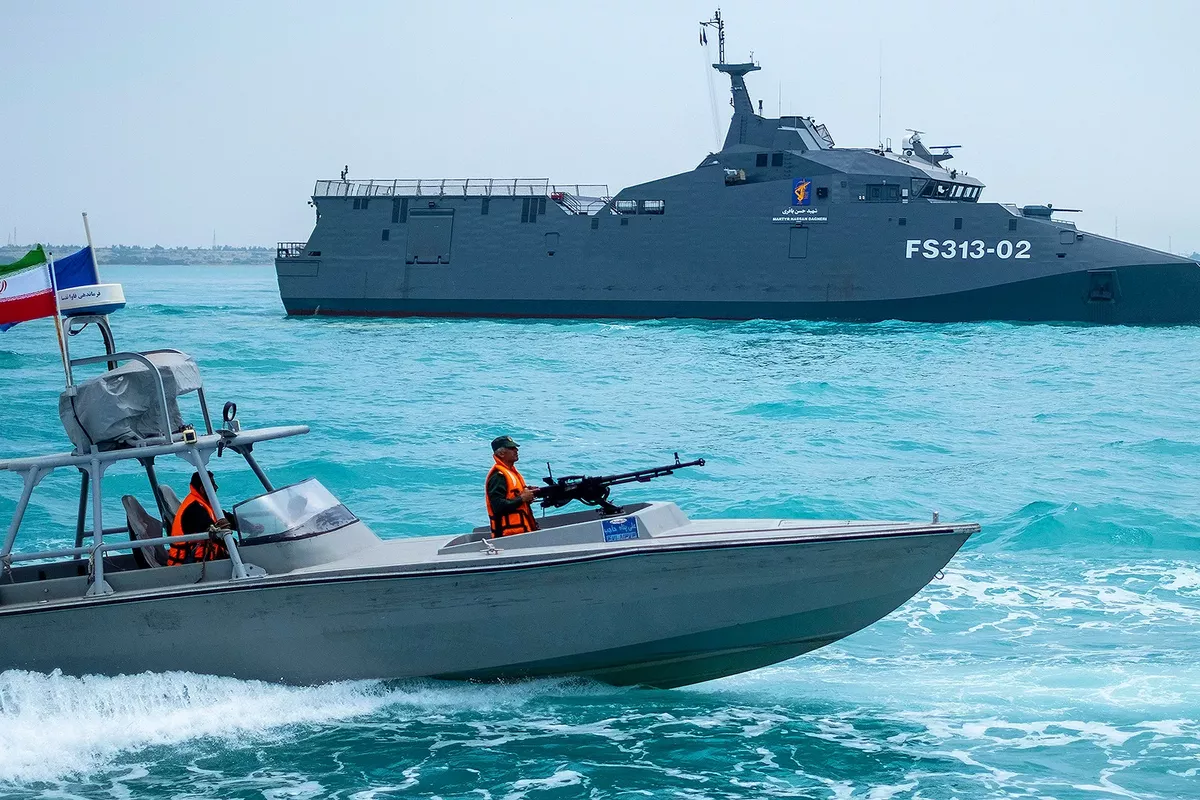
Ships pass Strait of Hormuz if they coordinate with the Iranian navy, according to statements from Iranian officials amid rising tensions in the Middle East. The announcement signals that while the strategic waterway remains open, vessels must follow specific coordination procedures with Iranian naval authorities to ensure safe passage.
The Strait of Hormuz, one of the world’s most important maritime chokepoints for oil transportation, has been at the center of global attention due to ongoing geopolitical tensions in the region. Iranian officials say ships can continue to transit the route safely as long as they maintain communication with Iran’s naval forces.
The development has raised concerns among international shipping companies, energy markets, and governments that rely on this critical shipping route for oil supplies.
Why the Strait of Hormuz Is Important
The Strait of Hormuz connects the Persian Gulf with the Gulf of Oman and the Arabian Sea, serving as a crucial gateway for global energy transportation.
Experts estimate that roughly one-fifth of the world’s oil supply passes through this narrow waterway. Any disruption or restriction in the strait can have major consequences for global oil prices and international trade.
Major oil-producing countries that rely on this route include:
- Saudi Arabia
- United Arab Emirates
- Kuwait
- Iraq
- Iran
Because of its strategic importance, the strait has long been considered one of the most sensitive maritime zones in the world.
Iran’s Position on Ship Coordination
Iranian officials recently clarified that the strait is not completely closed, but ships must coordinate with the Iranian navy before crossing the waterway.
According to Iran’s Foreign Ministry spokesperson, many vessels can still safely pass through the strait if they communicate with Iranian authorities responsible for maritime security.
Iran says the coordination requirement is intended to ensure security and prevent incidents in the region, especially during a period of heightened military tensions.
Officials also emphasized that the country is responsible for maintaining safety within its territorial waters and surrounding maritime zones.
Rising Tensions in the Region
The announcement regarding ships passing the Strait of Hormuz comes at a time when tensions between Iran and Western powers remain extremely high.
In recent weeks, military confrontations, drone attacks, and threats against shipping routes have raised fears of a wider regional conflict.
Iran’s leadership has warned that vessels connected to countries it considers hostile could face risks while traveling through the waterway.
Some incidents involving commercial ships have already been reported, increasing concerns among international shipping companies and insurers.
Impact on Global Oil Markets
The situation surrounding the Strait of Hormuz has already had a noticeable effect on global energy markets.
Reports indicate that oil prices surged above $100 per barrel amid fears that shipping disruptions could reduce global supply.
Energy analysts say even the possibility of instability in the strait can cause major fluctuations in oil prices.
If shipping traffic slows or stops completely, the global economy could experience significant consequences, including rising fuel prices and inflation.
Shipping Industry Concerns
International shipping companies are closely monitoring the situation to assess potential risks.
Many shipping operators have increased security protocols for vessels traveling through the region. Insurance costs for ships passing through the strait have also increased due to the perceived threat of attacks.
Some companies are considering alternative routes or delaying shipments until conditions become more stable.
However, completely avoiding the Strait of Hormuz is extremely difficult because it remains the most direct route for transporting oil from the Persian Gulf to global markets.
International Reactions
The developments have drawn attention from governments around the world.
Several countries have called for diplomatic efforts to ensure that the Strait of Hormuz remains open for international navigation.
Some nations are considering sending naval forces to protect commercial shipping and maintain freedom of navigation in the region.
Meanwhile, diplomatic talks are ongoing as governments attempt to reduce tensions and prevent further escalation.
Iran’s Strategic Leverage
The Strait of Hormuz has long been viewed as one of Iran’s most powerful strategic tools.
By influencing shipping traffic through the waterway, Iran can impact global oil supplies and international energy markets.
Analysts believe Tehran uses the issue of the strait as leverage in geopolitical negotiations with Western powers and regional rivals.
However, a complete shutdown of the strait would likely have severe consequences not only for global trade but also for countries in the region, including Iran itself.
What Happens Next?
The situation surrounding the ships passing the Strait of Hormuz remains highly dynamic.
While Iran insists that vessels can travel safely if they coordinate with its navy, the ongoing tensions mean the situation could change quickly.
Shipping companies, energy traders, and governments around the world are closely monitoring developments in the region.
The stability of the strait will continue to play a critical role in global energy security and international trade.
Conclusion
The announcement that ships pass Strait of Hormuz if they coordinate with the Iranian navy highlights the fragile balance between security and global commerce in one of the world’s most important maritime routes.
While Iran maintains that the waterway remains open under controlled conditions, the ongoing geopolitical tensions have created uncertainty for the global shipping industry and energy markets.
As diplomatic efforts continue and regional tensions evolve, the future of shipping through the Strait of Hormuz will remain a key issue affecting international trade and global oil supplies.






A very reliable platform with a great community. I feel safe depositing here and the gaming options are endless. Cheers to the team at idwso288.
Top notch service and the games are super addictive. I finally found a platform that actually works without lagging. bd777jili is the way to go.
Finally found a site that actually pays out on time. The experience has been great so far and the bonuses are legit. Highly recommend ph291jili