
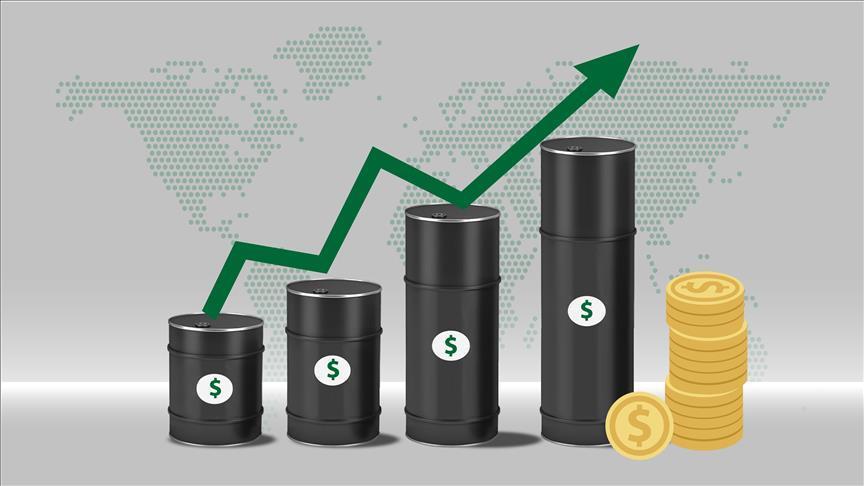
U.S. crude oil futures for May trimmed earlier gains, rising 0.5% to $112.08 per barrel as of 9:28 p.m. ET. The international benchmark, Brent crude for June delivery, also retreated slightly, up 1.3% to $110.47 per barrel.
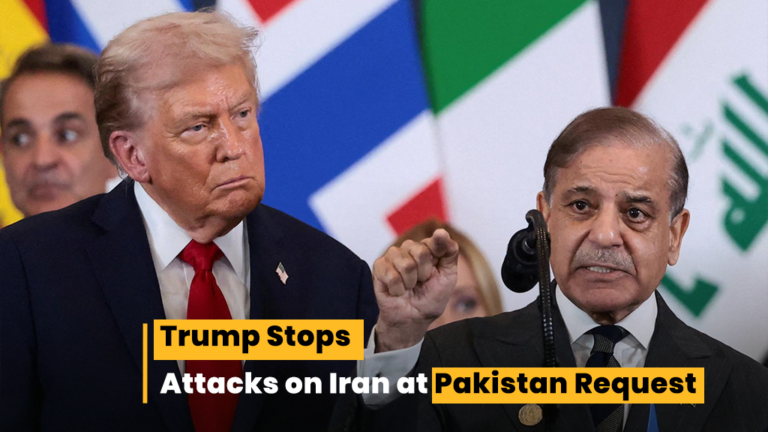
On Sunday, Trump issued a strongly worded warning on social media, saying Iran would face severe consequences if it did not allow access to the Strait. He threatened to target the country’s power infrastructure and bridges.
Later, Trump posted a cryptic message: “Tuesday, 8:00 P.M. Eastern Time!” without providing additional details.
Iran has effectively blocked the Strait of Hormuz through attacks on oil tankers. This crucial waterway links the Persian Gulf with international markets. Before the conflict, roughly 20% of global oil shipments passed through the Strait.
The disruption of this route has caused the largest interruption in oil supply in history. Prices for crude oil, jet fuel, diesel, and gasoline have risen sharply since the outbreak of the war.
Former President Trump stated in a national address last Wednesday that the conflict could last another two to three weeks.
By the end of the month, nearly 1 billion barrels are expected to be lost, including about 600 million barrels of crude and approximately 350 million barrels of refined products, according to TD Securities.
Ryan McKay, senior commodity strategist at TD Securities, noted in a client briefing on Thursday that “with the conflict now expected to continue into late April, the oil supply calculations are becoming increasingly concerning.”
Rapidan Energy projects that the total net loss of oil and refined products could reach 630 million barrels by the end of June, factoring in rerouted pipeline flows, releases from emergency stockpiles, and inventory reductions.
On Sunday, the eight members of OPEC+ agreed to raise production by 206,000 barrels per day starting in May, although it remains uncertain how the oil will reach the global market while the Strait remains inaccessible.
Kuwait Petroleum Corporation reported that drone strikes damaged several of its operational facilities, causing substantial destruction.
OPEC+ also cautioned that repairing energy infrastructure damaged by Iranian attacks is both expensive and time-consuming, which could further limit supply availability.
The eight OPEC+ members involved are Saudi Arabia, Russia, Iraq, the UAE, Kuwait, Kazakhstan, Algeria, and Oman.



Finally a site that doesn’t lag during peak hours. The login process is quick and everything just works perfectly on my phone. I always use jili30login for my daily gaming sessions.
pkrs789 has a great community feel. The games are fair and the rewards are legit. I’ve spent a few hours here this week and I’m really enjoying the vibe.
Joined this club last week and the experience has been great. The winning rate seems better than other sites. Love krktwin8club!
Best slot selection I have seen in a long time. The jackpots are actually reachable if you have a bit of luck. Join asiabetslot for more wins.
A hidden gem for sure. I had a few questions and the support team answered me almost instantly. Great job 27gcom!
This is probably the most user friendly portal I’ve used this year. Everything is just where it should be. Glad I found 289betlogin.