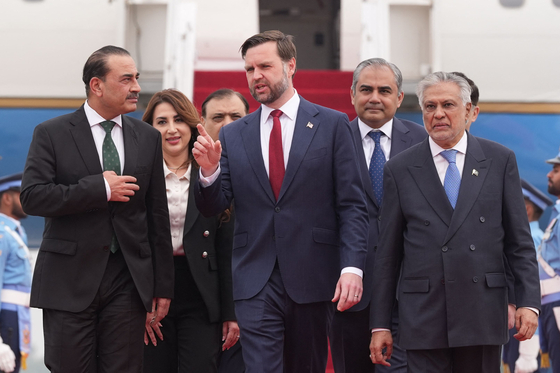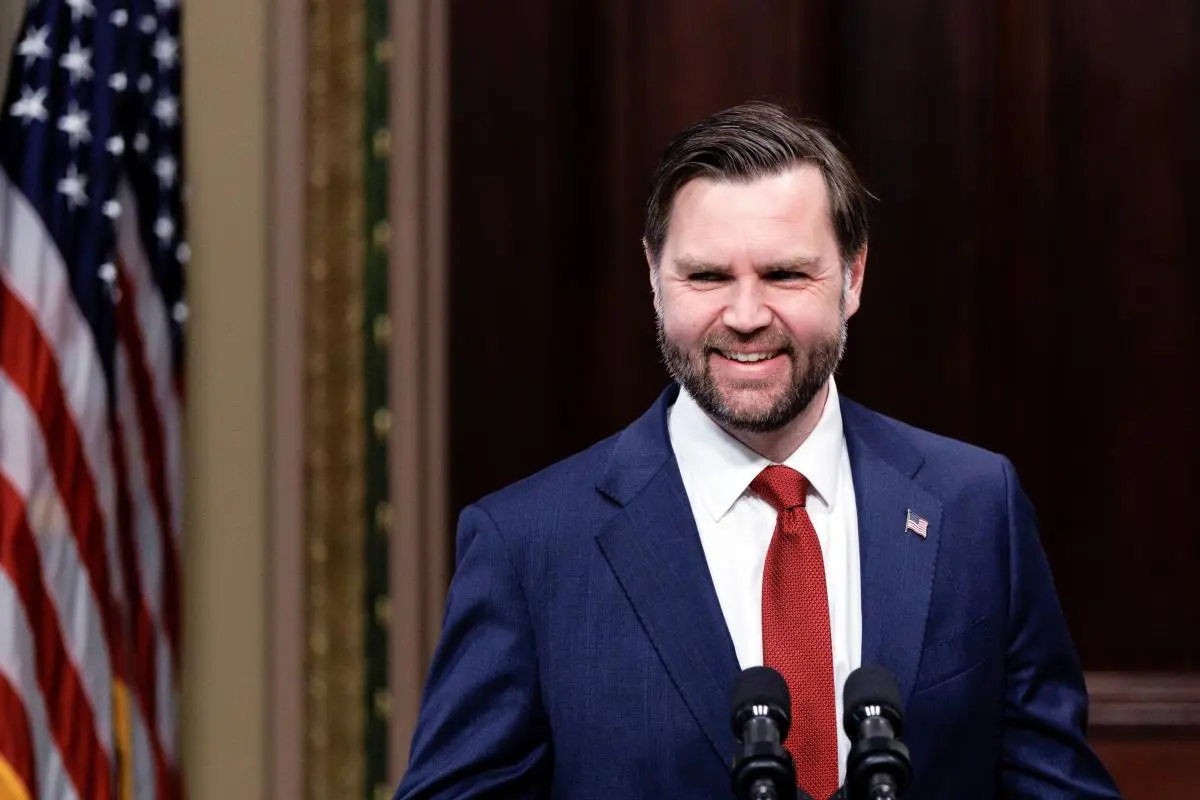
It is not a conflict JD Vance ever sought. Yet now, the US vice president has been assigned the critical task of helping bring it to an end. Acting on instructions from President Donald Trump, Vance is traveling to Pakistan this week to help transform a fragile ceasefire with Iran into a more permanent peace agreement.
For Vance, 41, who has largely stayed out of the spotlight during the Middle East crisis, this trip marks one of the most defining moments of his political career so far.
However, the stakes are high. When negotiations begin Saturday in Islamabad, he will face significant challenges. Aaron Wolf Mannes, a lecturer at the University of Maryland School of Public Policy and an expert on the vice presidency’s role in foreign affairs, noted that it is unusual for a vice president to take the lead in formal negotiations, describing the situation as “high risk, high reward.”
Vance built his political identity as a strong critic of foreign intervention, advocating against further US involvement in overseas conflicts like Iraq, where he once served as a Marine. That stance has made his current position more complex following Trump’s decision to launch military action against Iran on February 28.
Although Vance has publicly supported the administration’s approach, he has largely avoided public attention. At the time the ceasefire was announced, he was in Hungary, attending events alongside Prime Minister Viktor Orbán during his election campaign.
According to reports from The New York Times, Vance had privately opposed military action in the weeks leading up to the conflict, warning it could destabilize the region and divide Trump’s political base.
Now, however, he has been thrust into a leading diplomatic role. Speaking to reporters before departing Hungary, Vance downplayed his involvement, saying he spent much of his time making and receiving calls, and expressed satisfaction with the current progress. White House Press Secretary Karoline Leavitt emphasized that Vance had played an important role from the outset of the situation.
He will be joined on the trip by special envoy Steve Witkoff and Jared Kushner, marking the first visit to Pakistan by a US vice president since Joe Biden’s trip in 2011. Officials say Vance has been working closely with Secretary of State Marco Rubio, Witkoff, and Kushner throughout the process.
The administration remains hopeful that negotiations will lead to a durable peace agreement in the Middle East, according to a statement from Principal Deputy Press Secretary Anna Kelly.
Some analysts believe Iran may see Vance as a more credible partner for diplomacy, given his previously reported skepticism about the war and his broader reluctance toward US intervention abroad.
Following Iran’s anger over continued Israeli strikes in Lebanon despite the ceasefire, Vance struck a more measured tone, suggesting the situation may have stemmed from a “legitimate misunderstanding” regarding whether Lebanon was included in the agreement.
Still, diplomacy has not always defined his approach. Vance, who has long been critical of US support for Ukraine, played a role in a tense Oval Office exchange between Trump and Ukrainian President Volodymyr Zelensky earlier in 2025.
For Vance, who is both a rising political figure and a father of three soon expecting a fourth child, ambition remains closely tied to his public role.
Since Trump returned to office, Vance has taken on an unusually visible position for a vice president a role often described as powerful yet limited. As one former vice president once remarked, the job can seem “not worth a bucket of warm spit.”
His involvement in the Iran negotiations also comes as speculation grows about his political future, including a possible rivalry with Rubio for leadership of the Republican Party in the years ahead.