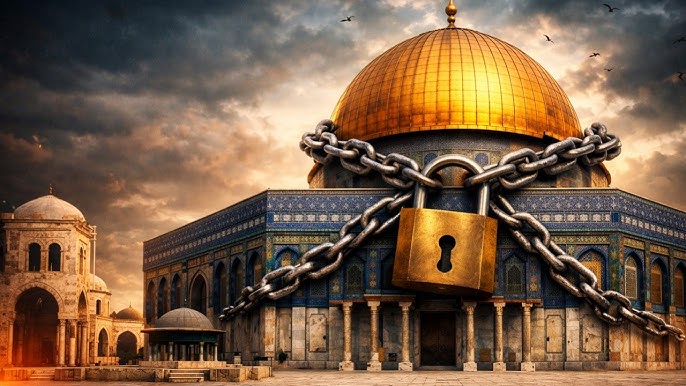
Al-Aqsa Mosque closed during the last ten days of Ramadan for the first time since 1967, a development that has sparked widespread concern and reactions across the Muslim world. The closure of one of Islam’s holiest sites during the most sacred days of the holy month has raised serious questions about religious access and security conditions in Jerusalem.
Authorities implemented strict restrictions around the mosque compound, preventing worshippers from entering the site during the final ten days of Ramadan — a period traditionally marked by increased prayers and spiritual gatherings. The move marks a historic moment as the mosque had remained open to worshippers during these important days for decades.
The decision has drawn attention from religious leaders, political figures, and international organizations who are closely monitoring the situation.
Importance of Al-Aqsa Mosque in Islam
The Al-Aqsa Mosque, located in the Old City of Jerusalem, holds immense religious significance for Muslims around the world. It is considered the third holiest site in Islam, after the Grand Mosque in Mecca and the Prophet’s Mosque in Medina.
Muslims believe that the Prophet Muhammad (PBUH) was taken to this sacred site during the historic journey known as Al-Isra and Al-Miraj. For centuries, the mosque has remained a central place of worship and a powerful symbol of Islamic heritage.
During Ramadan, thousands of worshippers usually gather at Al-Aqsa to perform prayers, especially during the last ten nights, which include Laylat al-Qadr, also known as the Night of Power.
The closure of the mosque during this spiritually significant time has therefore caused deep emotional reactions among believers worldwide.
Why the Mosque Was Closed
The decision that led to Al-Aqsa Mosque closed during the final days of Ramadan reportedly came amid heightened security concerns in the region.
Authorities cited fears of unrest and possible clashes in Jerusalem as the main reason behind the restrictions. Security forces were deployed in large numbers around the Old City, and access points leading to the mosque compound were blocked.
Officials stated that the temporary closure was intended to maintain stability and prevent potential violence during a sensitive period. However, critics argue that the decision restricts religious freedom and prevents Muslims from performing important religious practices during one of the holiest times of the year.
Historical Context Since 1967
The reference to 1967 is significant because it marks the year when Israel gained control of East Jerusalem following the Six-Day War. Since then, the Al-Aqsa compound has remained a focal point of political and religious tension.
Despite periods of conflict and security restrictions over the years, the mosque has generally remained open to Muslim worshippers during Ramadan, particularly during the final ten nights.
The fact that Al-Aqsa Mosque closed during this sacred period for the first time since 1967 highlights the seriousness of the current situation.
Global Reaction from the Muslim World
The closure of Al-Aqsa Mosque during the last ten days of Ramadan has triggered reactions across the Muslim world. Religious scholars, political leaders, and international organizations have expressed concern over the situation.
Many Muslims view access to Al-Aqsa as a fundamental religious right. Social media platforms quickly filled with messages of solidarity, prayers, and calls for the reopening of the mosque.
Several countries have urged authorities to allow peaceful worship and ensure that religious freedoms are respected.
Human rights organizations have also called for calm and dialogue to prevent further escalation in the region.
Impact on Worshippers During Ramadan
Ramadan is a time when Muslims increase their prayers, charity, and spiritual reflection. The final ten nights hold special importance as believers seek forgiveness and blessings during this sacred period.
Normally, tens of thousands of worshippers gather inside the mosque compound to perform Taraweeh and Qiyam-ul-Lail prayers. The atmosphere during these nights is known for its spiritual intensity and unity among Muslims.
However, with Al-Aqsa Mosque closed, many worshippers were forced to pray outside the compound or return home without being able to enter the historic site.
For many believers, this has been an emotionally difficult experience during a time that is meant to bring spiritual closeness and peace.
Political and Security Implications
The closure of the mosque also carries political implications for the already sensitive situation in Jerusalem. The city is considered sacred by Muslims, Jews, and Christians, making it one of the most politically and religiously complex places in the world.
Analysts believe the restrictions could increase tensions in the region if not handled carefully. Diplomatic efforts may be required to prevent the situation from escalating further.
Many international observers have emphasized the need for dialogue and peaceful solutions that respect the religious rights of all communities.
Calls for Peace and Religious Freedom
Religious leaders from different parts of the world have urged calm and mutual respect during this difficult moment. They stress that places of worship should remain open and accessible, especially during major religious occasions.
Advocates for peace believe that protecting religious freedom is essential for maintaining harmony in multi-faith societies.
They also highlight the importance of ensuring that sacred sites remain spaces for prayer, reflection, and unity rather than conflict.
Conclusion
The historic moment in which Al-Aqsa Mosque closed during the last ten days of Ramadan for the first time since 1967 has captured global attention and raised concerns about religious access in Jerusalem.
For millions of Muslims worldwide, the mosque is not only a place of worship but also a symbol of faith, history, and identity. The events surrounding its closure during one of the holiest periods in Islam have deep emotional and spiritual significance.
As the situation continues to unfold, many hope that peaceful solutions will allow worshippers to once again gather at Al-Aqsa Mosque and practice their faith freely.
The world will continue watching developments closely as religious leaders, governments, and international organizations work toward maintaining stability and protecting the sanctity of holy sites.