The news that China to resume first passenger train to North Korea after six years marks a significant development in international transportation, diplomacy, and regional connectivity in East Asia. After a long hiatus caused by the global COVID‑19 pandemic and consequent border closures, the resumption of rail services between China and North Korea symbolizes the gradual reopening of borders and renewed cooperation between Beijing and Pyongyang in 2026.
Why the Passenger Train Service Was Suspended
International passenger train services linking China and North Korea were suspended in early 2020 as a direct result of the COVID‑19 pandemic. North Korea implemented some of the strictest border closures in the world to prevent the spread of the virus, halting all cross‑border passenger transport, including the historic rail link between Beijing and Pyongyang.
This suspension lasted more than half a decade, effectively cutting one of North Korea’s most enduring and strategic connections with its largest economic partner, China. During this period, only limited cargo and freight operations existed, and travel was replaced by sporadic reopening of flights and maritime routes once conditions allowed.
What the Resumption Entails
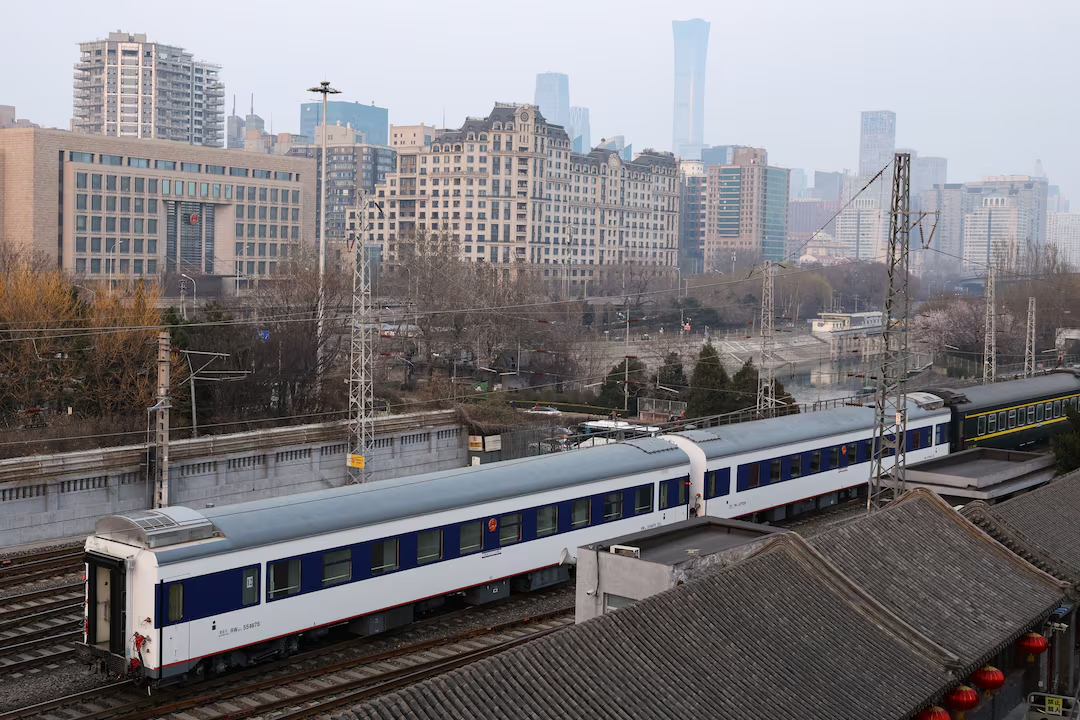
Now, China to resume first passenger train to North Korea after six years truly comes to fruition with the departure of the first train from Beijing Railway Station on March 12, 2026. This train, designated K27, set off on the roughly 1,400‑kilometer route to Pyongyang, making stops in major Chinese cities including Tianjin, Shanhaiguan, Shenyang, and the border town of Dandong before arriving in North Korea.
The journey takes about 23 hours and 41 minutes and represents the restoration of a vital transport link previously foundational to travel, tourism, and people‑to‑people exchange between the two countries.
Importantly, the service is planned to operate multiple times weekly, with reports indicating four weekly departures between Beijing and Pyongyang and daily services on the shorter Dandong‑Pyongyang segment.
Historical Importance of the China–North Korea Rail Link
The rail connection between China and North Korea has existed in various forms since the mid‑20th century, historically providing a key corridor for diplomacy, commerce, and cultural exchange. It was one of North Korea’s primary international gateways long before aviation routes were common or consistent. Suspending such a foundational link significantly affected travel and economic ties on both sides.
The Dandong‑Pyongyang through train route in particular, operational since 1954, was a historic international rail corridor connecting China’s border region with North Korea’s capital. Its suspension in January 2020 left a void in overland travel that many regional operators and governments lamented.
Economic and Diplomacy Implications
The resumption of this service is more than just a symbol of reopened borders. It reflects deeper diplomatic and economic trends:
- Boost to Tourism: Before the pandemic, China accounted for the largest share of foreign tourists to North Korea. The revival of train service opens opportunities for renewed tourism and cultural exchange, although strict visa controls may still apply.
- Trade and Logistics: Rail transport has long been a backbone for freight movements between China and its neighbors. While freight operations largely continued during the suspension, the restoration of passenger trains enhances logistical connectivity and could indirectly facilitate smoother movement of goods and services across the border.
- Diplomatic Signaling: For China and North Korea, reopening major transport links serves as a diplomatic signal of commitment to mutual cooperation and stability in the region. It reflects broader efforts to normalize interactions that were disrupted by the pandemic and to counterbalance shifting geopolitics in East Asia.
Challenges and Future Outlook
Despite this breakthrough, there are ongoing challenges:
- Travel Restrictions: North Korea remains cautious about opening up to general foreign tourism, and accessibility may initially be limited to certain categories of travelers, such as business visa holders.
- Border Controls: Both countries will maintain stringent exit and entry procedures, especially at border crossing points like Sinuiju and Dandong.
- Infrastructure Upgrades: Sustained operation of international services will require continued investment in rail infrastructure and border facilities to ensure safety, efficiency, and comfort for passengers.
However, analysts suggest the passenger train resumption may be a harbinger of even broader integration, potentially paving the way for enhanced economic corridors and new rail‑based partnerships in Northeast Asia.
What This Means for Travelers
For those intrigued by overland journeys and unique travel experiences, the reopening of the China‑North Korea rail link is noteworthy. Though tourism to North Korea remains tightly regulated and requires special permissions, the train service offers a window into how connectivity might expand in the future.
Travelers considering such a journey should research visa requirements thoroughly, understand the political sensitivities of the route, and stay informed about evolving regulations that govern travel into the Democratic People’s Republic of Korea.
Conclusion
In conclusion, China to resume first passenger train to North Korea after six years is not only a logistical reopening of an international rail route but also a symbolic milestone in post‑pandemic normalization between two historically interconnected nations. From diplomatic ripple effects to potential economic benefits and renewed tourism possibilities, the restored train service stands as a testament to changing times and emerging possibilities in East Asia’s transportation landscape.
By reestablishing this iconic rail connection, China and North Korea signal an intent to deepen cooperation and reconnect populations, paving the way for expanded ties and mutual engagement in a new geopolitical era.