Donald Trump warns NATO that the alliance could face a “very bad future” if member countries fail to support the United States in its ongoing conflict with Iran. The statement comes amid escalating tensions in the Middle East, particularly over the strategic Strait of Hormuz, a critical route for global oil shipments.
In recent remarks, Trump criticized NATO allies for not contributing military support to efforts aimed at reopening and securing the vital waterway. He emphasized that countries benefiting from oil trade through the region should actively participate in maintaining its security.
Rising Tensions Over Iran Conflict
The warning that Donald Trump warns NATO comes during a period of heightened conflict involving Iran and US-led forces. The situation escalated after military strikes and retaliatory attacks disrupted stability across the Gulf region.
Iran’s actions, including threats to block the Strait of Hormuz, have significantly impacted global oil markets. Reports indicate that oil prices surged above $100 per barrel due to fears of supply disruptions.
The United States has been pushing for international support to ensure safe navigation through the strait, but many NATO allies have shown reluctance to engage militarily.
NATO Allies Reluctant to Join Military Efforts
Despite the strong warning, several NATO countries have declined to participate in US-led operations against Iran.
European nations, including Germany, the United Kingdom, and others, have emphasized diplomatic solutions instead of military involvement. Leaders have stated that the conflict is not their war and have expressed concerns about escalating tensions further.
This hesitation has created visible strain within the NATO alliance, raising questions about unity and shared responsibility among member states.
Trump’s Message to Allies
The statement that Donald Trump warns NATO reflects frustration over what he perceives as unequal burden-sharing within the alliance.
Trump argued that:
- Many countries rely heavily on oil transported through the Strait of Hormuz
- The United States has taken the lead in military operations
- Allies should contribute resources and support
He also suggested that failure to cooperate could negatively impact the future of NATO as a strategic alliance.
The remarks align with Trump’s long-standing criticism of NATO members for not contributing enough to defense spending and military efforts.
Strategic Importance of the Strait of Hormuz
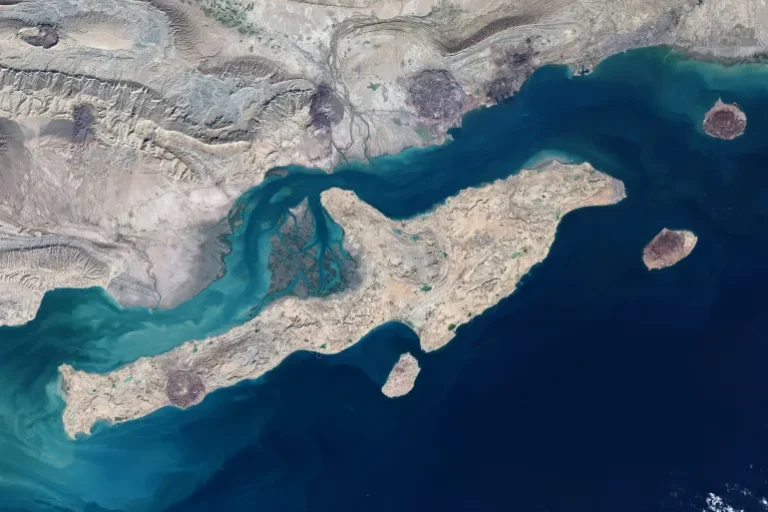
The Strait of Hormuz remains at the center of the crisis. It is one of the most important maritime routes in the world, with approximately:
- 20% of global oil supply passing through it
- Major oil exporters relying on the route
- Global markets depending on its stability
Any disruption in this waterway has immediate economic consequences worldwide.
Trump has urged not only NATO allies but also countries like China and Japan to help secure the route, highlighting its global importance.
Global Economic Impact
The conflict has already begun affecting global markets.
Key impacts include:
1. Oil Price Surge
Energy prices have risen sharply due to uncertainty in supply chains.
2. Shipping Risks
Commercial vessels face increased security threats in the region.
3. Economic Pressure
Countries dependent on imported oil are experiencing inflation and financial strain.
Experts warn that prolonged instability could lead to a broader global economic crisis.
Military Developments
The United States has intensified military operations in the region, with reports suggesting extensive strikes targeting Iranian infrastructure and military assets.
Meanwhile, Iran has responded with retaliatory actions targeting US interests and allies in the Gulf region, further escalating the conflict.
The situation remains highly volatile, with no immediate resolution in sight.
International Reactions
The international community has responded cautiously to the situation.
- Some countries are calling for diplomatic negotiations
- Others are avoiding direct military involvement
- Global organizations are urging de-escalation
The divide between US expectations and allied responses highlights growing geopolitical tensions.
What This Means for NATO
The statement that Donald Trump warns NATO could have long-term implications for the alliance.
Key concerns include:
- Strained relationships between member states
- Questions about collective defense commitments
- Potential shifts in global alliances
Analysts believe that how NATO responds to this crisis could shape its future role in international security.
Conclusion
The warning that Donald Trump warns NATO of a very bad future if allies fail to help the US in Iran underscores the seriousness of the current geopolitical crisis.
With tensions rising in the Middle East and global markets already feeling the impact, the situation continues to evolve rapidly. The response of NATO allies will play a crucial role in determining the outcome of the conflict and the future of international cooperation.
As diplomatic efforts continue alongside military developments, the world watches closely to see whether unity or division will define the next phase of global politics.