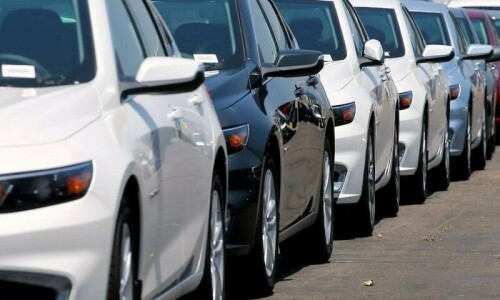
FBR bans new cars as part of a major cost-cutting initiative aimed at reducing government spending and improving financial discipline within Pakistan’s tax authority. The Federal Board of Revenue (FBR) has announced a series of austerity measures affecting staff benefits, official vehicle purchases, and operational expenses.
The decision comes at a time when Pakistan is facing economic pressures and the government is working to control expenditures while improving revenue collection. Officials say the move is designed to promote financial responsibility and ensure that public resources are used efficiently.
Why FBR Banned New Cars
The announcement that FBR bans new cars is part of a broader austerity plan that focuses on reducing unnecessary spending within government departments. According to officials familiar with the policy, the decision aims to limit expenditures on luxury or non-essential assets.
Government departments in Pakistan have often faced criticism for high operational costs, particularly in areas such as official vehicles, travel allowances, and administrative expenses. By implementing stricter controls, the FBR hopes to set an example for other institutions.
Economic experts believe such measures can help improve public confidence in government institutions by demonstrating accountability and responsible spending.
Austerity Measures Introduced by FBR
Alongside the decision that FBR bans new cars, several additional cost-saving measures have reportedly been introduced to reduce operational expenses.
Key steps include:
Suspension of new vehicle purchases:
Departments under FBR will no longer be allowed to purchase new official vehicles unless absolutely necessary.
Reduction in administrative spending:
Budget allocations for non-essential office expenditures have been tightened.
Limits on travel and allowances:
Official travel and staff allowances are expected to be reviewed and restricted.
Operational efficiency initiatives:
Departments are being encouraged to adopt digital solutions and reduce paper-based administrative costs.
These steps are expected to significantly lower operational expenses across the organization.
Economic Context Behind the Decision
Pakistan has been implementing various economic reforms in recent years to stabilize its financial position. Rising inflation, fiscal deficits, and debt obligations have pushed authorities to focus on stricter financial discipline.
When FBR bans new cars, it reflects the broader strategy of minimizing government expenditures while maximizing revenue generation.
Financial analysts say reducing administrative costs within key institutions can help the government allocate more resources toward development projects, infrastructure, and public services.
Impact on Government Employees
The austerity policy is expected to affect various departments within the FBR. While the ban on vehicle purchases primarily targets institutional spending, staff members may also experience changes in administrative policies.
Employees have been advised that these measures are intended to improve efficiency rather than limit productivity. Authorities believe that digital transformation and better resource management can help maintain operational effectiveness without increasing costs.
Some government employees have expressed concerns about the long-term impact of such policies, while others believe they are necessary to address Pakistan’s current economic challenges.
Public Reaction to FBR’s Decision
Public response to the announcement that FBR bans new cars has been mixed. Many citizens have welcomed the decision, viewing it as a positive step toward reducing government waste and promoting accountability.
Social media discussions suggest that people expect similar austerity measures to be implemented across other government institutions as well.
Transparency advocates have also emphasized the importance of monitoring how these policies are implemented to ensure that they lead to genuine cost savings rather than temporary adjustments.
Experts Weigh In on Austerity Measures
Economic analysts say that austerity measures within government departments can play an important role in improving fiscal discipline. However, they also note that cost-cutting policies should be balanced with efforts to maintain efficient public services.
When FBR bans new cars, it signals a shift toward more responsible financial management within the tax authority. Experts suggest that if implemented effectively, such measures could contribute to broader economic reforms.
At the same time, analysts stress that long-term economic stability requires structural reforms, improved tax collection systems, and stronger institutional transparency.
Role of FBR in Pakistan’s Economy
The Federal Board of Revenue plays a critical role in Pakistan’s financial system by collecting taxes and implementing revenue policies. Strengthening the efficiency and credibility of this institution is considered essential for economic stability.
By introducing austerity measures such as the decision that FBR bans new cars, the organization aims to demonstrate commitment to fiscal responsibility.
Improving public trust in tax authorities is also crucial for encouraging voluntary tax compliance among citizens and businesses.
Future Financial Reforms Expected
Economic observers believe the recent announcement could be the first step in a series of reforms aimed at improving government financial management.
Possible future measures may include:
- Expanding digital tax systems
- Improving monitoring of government expenditures
- Strengthening anti-corruption policies
- Enhancing transparency in public spending
If implemented effectively, these reforms could help Pakistan address long-standing fiscal challenges.
Conclusion
The decision that FBR bans new cars marks an important step toward reducing government expenditures and promoting financial discipline within Pakistan’s tax authority. As part of a broader austerity strategy, the move aims to control operational costs and demonstrate responsible use of public resources.
While the long-term impact of these measures will depend on how effectively they are implemented, the policy reflects the government’s growing focus on fiscal accountability and economic reform.
For readers seeking accurate and timely updates on Pakistan’s economy and government policies, Uncut Pakistan will continue to provide reliable news coverage and in-depth analysis.
About the Author