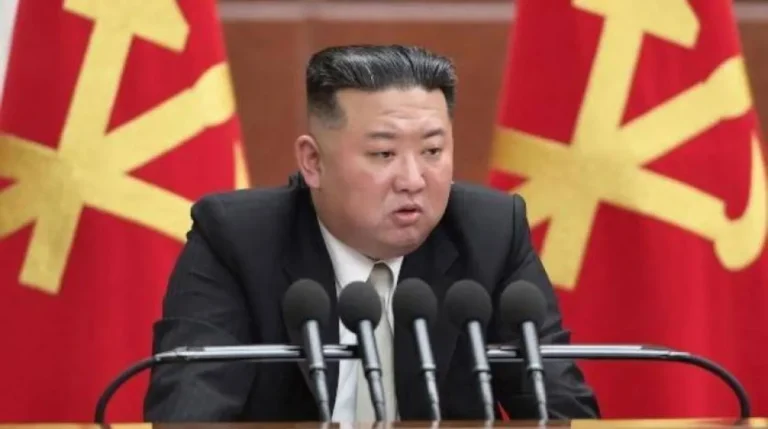
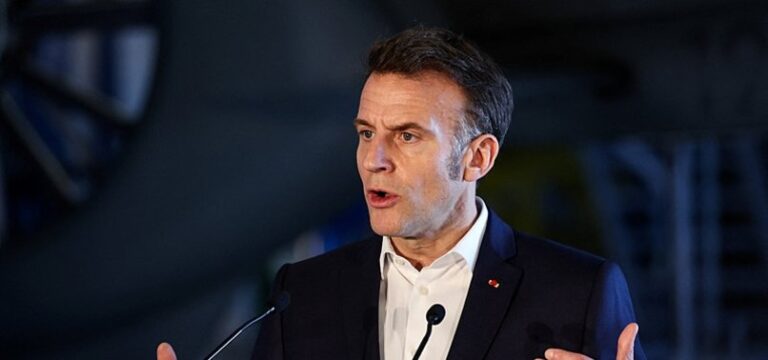
Macron calls to reopen Strait of Hormuz amid escalating geopolitical tensions in the Middle East, while Iran has responded with a sharp message telling Western nations to “come and open it themselves.” The exchange of statements highlights growing diplomatic friction over one of the world’s most critical maritime routes for global oil shipments.
The Strait of Hormuz, located between the Persian Gulf and the Gulf of Oman, is considered one of the most strategically important waterways in the world. A significant portion of global oil supplies passes through this narrow passage each day, making it vital for international energy markets and global trade.
As tensions continue to rise in the region, the debate surrounding the reopening and security of the waterway has drawn the attention of world leaders, energy markets, and international policymakers.
Why the Strait of Hormuz Is So Important
The Strait of Hormuz plays a critical role in global energy supply chains. Nearly one-fifth of the world’s oil consumption passes through this narrow waterway each day, connecting major oil-producing countries in the Gulf with international markets.
When Macron calls to reopen Strait of Hormuz, the concern stems largely from fears that disruptions in this vital shipping route could lead to significant consequences for global energy prices and economic stability.
Energy experts note that any interruption in tanker movement through the strait can cause oil markets to react quickly, often resulting in price volatility and concerns about global supply shortages.
Macron’s Statement and Western Concerns
French President Emmanuel Macron’s remarks urging efforts to reopen the shipping route reflect broader Western concerns about the security of international trade routes.
When Macron calls to reopen Strait of Hormuz, he is emphasizing the importance of maintaining safe and open maritime passages for global commerce. Many Western nations view the freedom of navigation through international waterways as essential for maintaining economic stability and international trade.
European leaders have repeatedly highlighted the importance of ensuring that shipping lanes remain open and secure, especially in regions where geopolitical tensions have the potential to disrupt trade.
Iran’s Response to the Call
In response to the statement that Macron calls to reopen Strait of Hormuz, Iranian officials reportedly delivered a strong message, challenging Western countries to take action themselves if they wish to reopen the route.
Iran has often emphasized its strategic position in the region and has warned against foreign interference in Middle Eastern affairs. The country has long argued that regional security should primarily be managed by nations within the region.
The exchange of statements reflects deeper geopolitical tensions that have been shaping relations between Iran and Western countries for many years.
Global Impact on Oil Markets
Energy markets closely monitor developments related to the Strait of Hormuz because of the route’s critical importance for global oil transportation.
Whenever political tensions rise in the region, traders and analysts begin evaluating potential risks to supply chains. When Macron calls to reopen Strait of Hormuz, it signals that global leaders are concerned about maintaining stability in one of the world’s most vital energy corridors.
Even the possibility of disruption can cause oil prices to fluctuate as markets respond to geopolitical uncertainty.
Strategic Importance of Maritime Security
The security of international waterways is a major concern for governments and global organizations. Shipping routes like the Strait of Hormuz are protected under international maritime law, which supports freedom of navigation for commercial vessels.
When Macron calls to reopen Strait of Hormuz, the statement highlights the broader issue of protecting critical infrastructure that supports the global economy.
Many countries rely heavily on stable maritime trade routes not only for energy imports but also for food supplies, industrial materials, and manufactured goods.
Regional Tensions and Diplomatic Challenges
The Middle East has long been one of the most geopolitically sensitive regions in the world. Historical conflicts, political rivalries, and strategic interests often intersect in ways that affect global politics.
The situation surrounding the Strait of Hormuz illustrates how regional disputes can quickly become international issues. When Macron calls to reopen Strait of Hormuz, it reflects the growing urgency among global leaders to prevent further escalation.
Diplomatic channels are often used to manage such tensions, with international organizations and governments seeking ways to maintain stability while avoiding direct confrontation.
International Reactions
Reactions to the statements from both sides have been closely watched by analysts and policymakers worldwide. Many governments have emphasized the importance of dialogue and peaceful resolution of disputes.
Global institutions frequently call for cooperation to ensure that critical trade routes remain open and secure. The statement that Macron calls to reopen Strait of Hormuz has sparked conversations among diplomats about potential solutions to ensure stability in the region.
Some experts believe that multilateral cooperation may be necessary to address security concerns while preventing further escalation.
What This Means for Global Politics
The exchange between Western leaders and Iran highlights how strategic waterways can become central points in geopolitical discussions. The Strait of Hormuz remains not only an economic lifeline but also a symbol of regional power dynamics.
When Macron calls to reopen Strait of Hormuz, the message goes beyond maritime navigation—it reflects broader concerns about global energy security, diplomatic relations, and geopolitical influence.
Experts say that developments surrounding the strait will likely continue to play a significant role in international political discussions.
Conclusion
The situation surrounding the Strait of Hormuz remains a key issue in global geopolitics. The moment when Macron calls to reopen Strait of Hormuz and Iran responds by challenging Western nations highlights the complex political dynamics shaping the region.
As one of the world’s most important shipping routes, the stability of the strait is vital for international trade and energy markets. Governments, analysts, and international organizations will continue monitoring developments closely.
For readers seeking reliable global news and analysis, Uncut Pakistan remains committed to delivering accurate reporting on international events that shape the world.
About the Author