
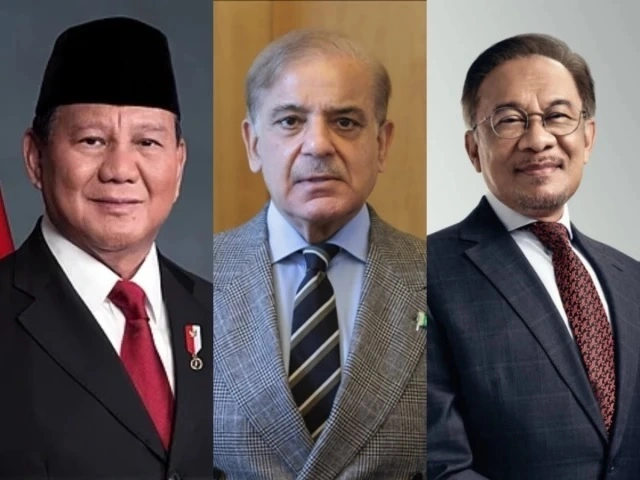
As tensions in the Middle East continue to escalate, Pakistan has intensified diplomatic outreach in coordination with regional partners to urge restraint and prevent the crisis from expanding further. Leaders from Pakistan, Indonesia and Malaysia have jointly called for “maximum restraint” and emphasized the urgent need for dialogue and diplomacy to restore stability in the region.
The appeal came after a series of high-level diplomatic engagements led by Pakistani Prime Minister Shehbaz Sharif, who held separate telephone conversations with Indonesian President Prabowo Subianto and Malaysian Prime Minister Anwar Ibrahim. During these discussions, the leaders expressed deep concern over the rapidly deteriorating security situation in the Middle East and stressed the importance of coordinated international efforts to defuse tensions.
According to the Prime Minister’s Office (PMO) in Islamabad, the conversations focused on the escalating conflict, its potential regional consequences, and the need for diplomatic engagement to prevent further instability.
Growing Diplomatic Efforts by Pakistan
Pakistan has taken an active role in urging restraint among global and regional actors as tensions rise in the Middle East. During his conversation with President Prabowo Subianto, Prime Minister Shehbaz Sharif highlighted Pakistan’s concerns regarding the worsening security situation and the risks associated with continued escalation.
Both leaders agreed that the crisis requires urgent diplomatic attention and emphasized the importance of peaceful engagement. According to the PMO, the two leaders committed to working together to encourage all parties involved to exercise maximum restraint and prioritize diplomatic solutions.
They also agreed to support sincere and constructive dialogue aimed at resolving the conflict through peaceful means rather than military confrontation.
Pakistan’s diplomatic initiative reflects its broader commitment to promoting peace and stability in the region, particularly during periods of heightened geopolitical tension.
Condemnation of Attacks and Regional Concerns
During the conversation with the Indonesian president, Prime Minister Shehbaz Sharif strongly condemned recent military attacks in the region, particularly those targeting Iran and several Gulf countries.
The prime minister expressed concern that continued attacks and retaliatory actions could trigger a broader regional conflict that may have far-reaching consequences for global security and economic stability.
Pakistan also briefed Indonesia on its ongoing diplomatic outreach to Gulf states aimed at easing tensions and encouraging de-escalation between conflicting parties.
Officials believe that proactive diplomatic engagement with key regional partners is essential to preventing the crisis from spiraling into a larger confrontation that could destabilize the entire Middle East.
Escalation of the Middle East Crisis
The latest tensions in the Middle East escalated dramatically following coordinated air strikes reportedly carried out by the United States and Israel. The strikes targeted key Iranian leadership figures, including Iran’s Supreme Leader Ali Khamenei and several senior officials.
The assassination triggered swift retaliation from Iran, significantly intensifying the conflict and raising fears of a wider regional war.
In response to the strikes, Iran launched a series of retaliatory attacks targeting US military bases across several Gulf states. These strikes marked a dramatic expansion of the conflict and caused widespread disruption across the region.
Major economic hubs experienced sudden interruptions to business activities, with airports temporarily closing and shipping operations at critical ports being halted.
The escalating confrontation sent shockwaves through regional financial markets and raised serious concerns among global investors and policymakers.
Impact on Gulf Economies
The Gulf region has long been considered one of the most stable economic hubs in the Middle East. Countries in the region have invested heavily in developing global trade centers, financial markets and tourism industries.
However, the recent escalation has disrupted this carefully cultivated stability.
Iran’s retaliatory strikes affected several Gulf states, causing disruptions that analysts say are among the most severe since the global economic slowdown during the COVID-19 pandemic.
Major business centers faced operational interruptions, while international airlines temporarily suspended certain routes due to security concerns.
Cities like Dubai, which have built their economic success on maintaining stability and neutrality in regional conflicts, now face increasing uncertainty as tensions spill over into neighboring areas.
Experts warn that prolonged instability could have serious consequences for global trade, energy markets and international financial systems.
Pakistan’s Strategic Diplomatic Role
In response to the growing crisis, Pakistan has intensified diplomatic communication with regional and international partners.
Prime Minister Shehbaz Sharif has been actively engaging with world leaders to encourage dialogue and peaceful conflict resolution. Pakistan believes that diplomatic engagement is essential to preventing further escalation and maintaining regional stability.
Islamabad’s outreach reflects its longstanding foreign policy stance advocating peaceful resolution of disputes through dialogue and international cooperation.
Pakistan has also emphasized the importance of respecting the sovereignty and territorial integrity of all states, principles that form the foundation of international law.
Discussion with Malaysian Leadership
In a separate telephone conversation, Prime Minister Shehbaz Sharif spoke with Malaysian Prime Minister Anwar Ibrahim to discuss the rapidly evolving situation in the Middle East.
During their discussion, both leaders reiterated their concern over the escalating crisis and agreed that restoring peace and stability should remain the top priority.
They emphasized that de-escalation can only be achieved if all parties involved demonstrate restraint and refrain from further military action.
According to the PMO, the two leaders agreed to maintain regular coordination and continue consultations as the situation develops.
This cooperation reflects the shared commitment of Pakistan and Malaysia to supporting diplomatic initiatives that promote peace and stability in the region.
Importance of International Law and Sovereignty
Prime Minister Shehbaz Sharif also highlighted the importance of respecting international law and the principles outlined in the United Nations Charter.
He emphasized that all countries must respect the sovereignty and territorial integrity of other states while working collectively to address conflicts through peaceful means.
Pakistan believes that adherence to international legal frameworks is critical to preventing conflicts from escalating and ensuring long-term stability.
The prime minister urged all sides to halt hostilities and engage in meaningful dialogue aimed at resolving their differences through diplomatic channels.
Afghanistan and Regional Security
During the discussions, Prime Minister Shehbaz Sharif also briefed both Indonesian and Malaysian leaders on the security situation in neighboring Afghanistan.
Pakistan has been facing ongoing security challenges along its western border and continues to conduct operations against terrorist groups operating in the region.
The prime minister informed the leaders about Pakistan’s counterterrorism efforts and initiatives aimed at strengthening regional stability.
He stressed that peace and stability in Afghanistan are essential not only for Pakistan but for the broader region.
Both Indonesian and Malaysian leaders acknowledged the importance of addressing regional security challenges and agreed to remain in close contact regarding developments.
Diplomatic Engagement by Pakistan’s Foreign Ministry
Meanwhile, Pakistan’s Deputy Prime Minister and Foreign Minister Ishaq Dar has also been actively involved in diplomatic consultations regarding the Middle East crisis.
Dar held discussions with British High Commissioner Jane Marriott and Canadian Foreign Minister Anita Anand to exchange views on the rapidly evolving situation.
During these discussions, Dar emphasized the urgent need for restraint and de-escalation to prevent the crisis from spreading further across the region.
He highlighted the importance of dialogue, diplomacy and adherence to international law in addressing the current conflict.
Pakistan’s foreign ministry stated that maintaining peace and stability in the Middle East remains a top diplomatic priority.
Global Concerns Over Escalation
The escalating conflict has raised alarm among governments and international organizations worldwide.
The Middle East plays a crucial role in global energy markets and international trade routes, making stability in the region essential for the global economy.
Any prolonged conflict could lead to significant disruptions in oil supply chains, shipping routes and financial markets.
Analysts warn that if tensions continue to escalate, the conflict could draw in additional regional and international actors, increasing the risk of a broader geopolitical confrontation.
For this reason, diplomatic initiatives aimed at de-escalation are receiving increasing international attention.
A Call for Peaceful Resolution
Pakistan, Indonesia and Malaysia’s joint call for maximum restraint highlights the growing concern among many countries about the consequences of continued military escalation.
The three nations believe that dialogue and diplomacy remain the most effective tools for resolving disputes and preventing further conflict.
Their coordinated diplomatic efforts reflect a broader international desire to stabilize the situation before it spirals into a larger regional crisis.
Conclusion
As tensions in the Middle East continue to rise, Pakistan’s diplomatic outreach underscores the importance of dialogue and international cooperation in addressing global crises.
By coordinating with Indonesia and Malaysia, Pakistan aims to encourage restraint and promote peaceful solutions that can prevent the conflict from escalating further.
The coming days will be critical in determining whether diplomatic efforts succeed in easing tensions and restoring stability to a region that remains central to global security and economic stability.
The international community will continue to closely monitor developments while urging all parties involved to prioritize diplomacy, respect international law and work toward a peaceful resolution.