
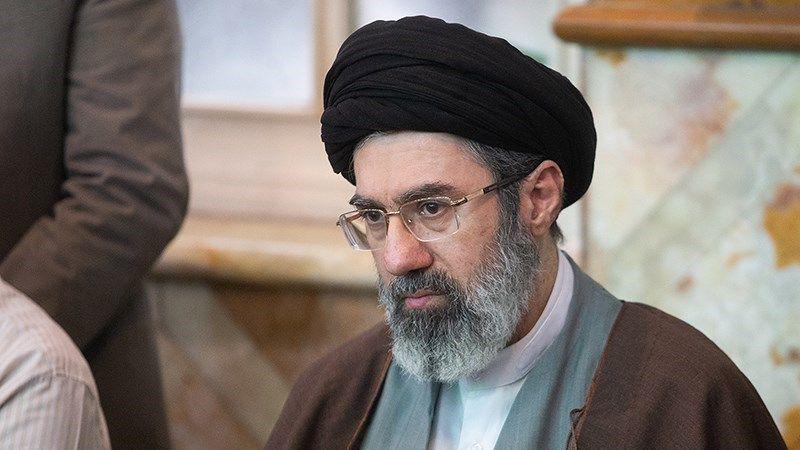
Iran’s Assembly of Experts has elected Mojtaba Khamenei as Iran new Supreme Leader, marking a historic leadership transition following the death of his father, longtime leader Ayatollah Ali Khamenei. The appointment took place on March 8, 2026, as Iran navigates one of the most volatile periods in its modern history.
The 56‑year‑old cleric, who had been seen as a potential successor for years, was formally chosen by the 88‑member Assembly of Experts the body constitutionally responsible for selecting the Supreme Leader. This succession makes Mojtaba Khamenei the third Supreme Leader of the Islamic Republic of Iran since the 1979 revolution.
State media confirmed that the Assembly’s vote was decisive, with representatives voicing support for continuity of leadership during the ongoing regional conflict that has involved multiple countries and intensified military actions.
Context of the Appointment
Mojtaba Khamenei’s election follows the assassination of Ayatollah Ali Khamenei on February 28, 2026, during joint strikes by U.S. and Israeli forces early in the conflict that erupted this year. The elder Khamenei had led Iran for more than three decades, wielding significant influence over its religious and political institutions.
Despite not having previously held a major formal government position, Mojtaba’s deep connections within Iran’s religious hierarchy and security apparatus, including ties to the Islamic Revolutionary Guard Corps, were cited as key factors in his selection.
Domestic and International Reactions
The leadership shift has drawn domestic and international attention. Within Iran, the appointment was framed as a reaffirmation of institutional resilience, even as the nation remains embroiled in conflict. Regional allies and political leaders expressed support for the new Supreme Leader, emphasizing the need for unity in the face of ongoing pressures.
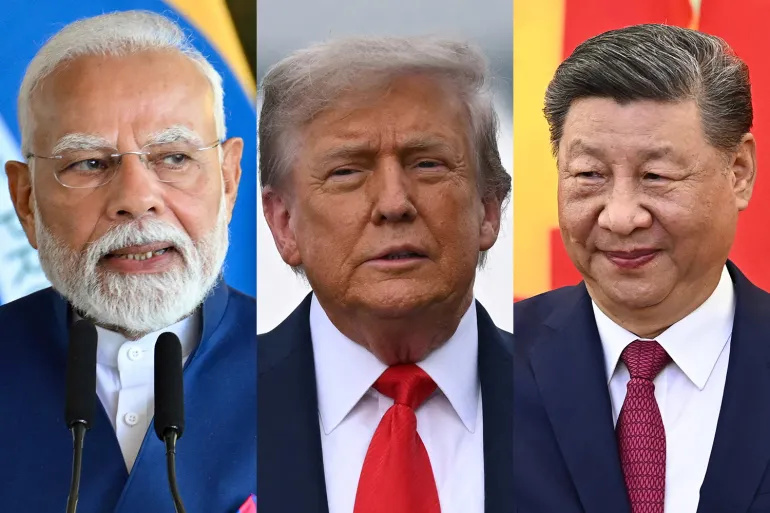
On the international stage, reactions have been mixed. U.S. President Donald Trump publicly criticized the choice, describing it as “unacceptable” and expressing frustration that Washington was not involved in the succession process. Meanwhile, some global leaders urged engagement to prevent further escalation of tensions in the region.
Significance and Future Outlook
Mojtaba Khamenei’s role as Iran new Supreme Leader is expected to shape Tehran’s political and military strategies in the coming months. With the conflict showing little sign of abating, his leadership will be closely watched by allies and adversaries alike, weighing heavily on regional stability, global energy markets, and diplomatic relations.