

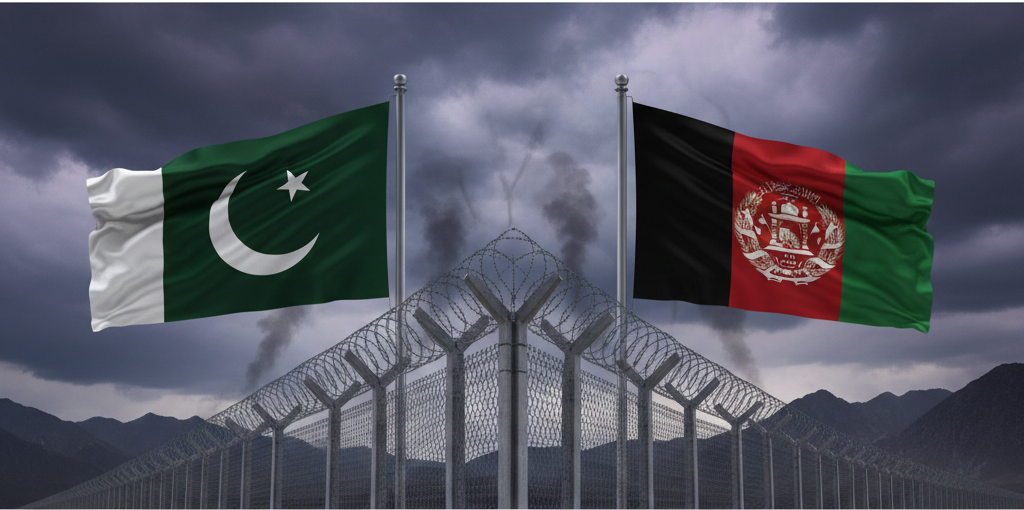
The term Pak-Afghan war has recently started trending on Google as tensions flare along the Pakistan-Afghanistan border. While there is no officially declared war between the two countries, repeated border clashes, security operations, and political friction have raised concerns about regional stability.
This article explains the background, recent developments, and what a potential escalation could mean for South Asia.
Background of Pakistan-Afghanistan Tensions
Relations between Pakistan and Afghanistan have historically been complex. The two nations share a long and sensitive border known as the Durand Line, which has been a source of dispute for decades.
Tensions increased significantly after the return of the Taliban to power in 2021. Pakistan has repeatedly expressed concerns about cross-border militant activity, while Afghan authorities have rejected allegations of allowing their territory to be used against Pakistan.
Why Is “Pak-Afghan War” Trending?
The keyword began trending after reports of:
- Cross-border firing incidents
- Security operations near the border
- Diplomatic tensions between Islamabad and Kabul
- Statements from military officials on both sides
Social media discussions and regional news coverage have amplified fears of a larger confrontation, leading many users to search for updates using terms like “Pak Afghan war latest news” and “Pakistan Afghanistan conflict.”
Recent Border Clashes
Security officials have reported exchanges of fire in border districts, with both sides accusing each other of violations. Pakistan has conducted operations targeting militant networks, while Afghan officials have raised objections to certain actions near border areas.
Although these incidents remain localized, analysts warn that continued escalation could increase instability in already sensitive regions.
Political and Security Implications
If tensions were to intensify, the consequences could include:
- Disruption of cross-border trade
- Increased refugee movements
- Heightened military deployment
- Economic pressure on both countries
Pakistan is already facing economic challenges, and further instability along the western border could strain resources. Similarly, Afghanistan is navigating political and humanitarian pressures that could worsen if conflict expands.
Is a Full-Scale War Likely?
Most regional experts believe a full-scale war remains unlikely at this stage. Diplomatic channels between Islamabad and Kabul are still open, and both sides understand the heavy cost of direct military confrontation.
However, continued border incidents and unresolved security concerns could prolong tensions if not managed carefully.
Regional and International Reactions
Neighboring countries and international observers are closely monitoring the situation. Stability between Pakistan and Afghanistan is critical for broader regional security, especially in South and Central Asia.
Global stakeholders continue to encourage dialogue, de-escalation, and cooperation to prevent further deterioration.
Conclusion
While the phrase Pak-Afghan war is trending online, the situation currently reflects rising border tensions rather than an official war. The coming weeks will be crucial in determining whether diplomatic efforts succeed in easing the strain or whether hostilities escalate further.
For now, regional stability depends on restraint, dialogue, and coordinated security efforts between Pakistan and Afghanistan.