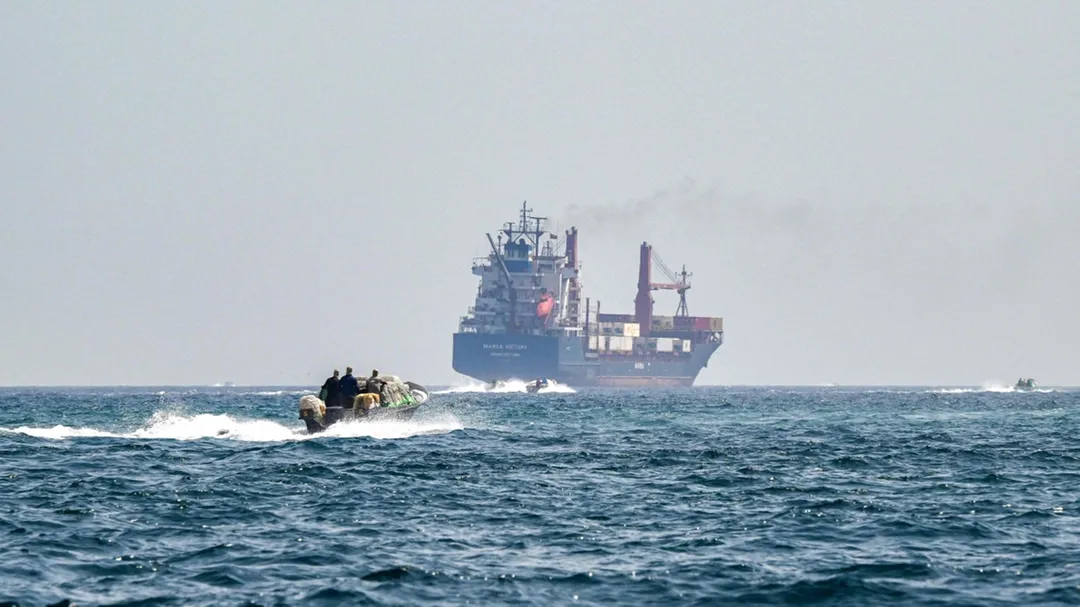
Despite a recent ceasefire between the United States and Iran, maritime traffic through the Strait of Hormuz remained at less than 10% of its typical capacity this Thursday. Tehran has reinforced its authority over the waterway, instructing vessels to navigate exclusively through Iranian territorial waters.
The ongoing conflict, which ignited on February 28, has trapped hundreds of tankers and cargo ships within the Persian Gulf. This bottleneck has slashed the global oil supply by 20%, marking the most severe energy disruption in history. Consequently, the cost of various physical crude grades reached record peaks on Thursday as the industry struggled to find a resolution.
The Bottleneck and Navigation Shifts
Data from maritime tracking services including Kpler and Lloyd’s List Intelligence reveals that only seven vessels traversed the strait in a 24-hour window, a sharp decline from the daily average of 140. Among these were six dry bulk carriers and a single oil products tanker.
To manage the flow, the Islamic Revolutionary Guard Corps (IRGC) directed ships to bypass traditional shipping lanes to avoid potential naval mines. Instead, vessels are being funneled through Iranian waters surrounding Larak Island. According to reports from the Tasnim news agency, the IRGC requires ships to enter north of the island and exit to the south under their direct supervision.
Security and Transit Risks
While some ships have successfully navigated this new route, security firms like Ambrey warn that the environment remains volatile.
- Targeted Vessels: Ships linked to the U.S. or Israel face heightened risks.
- Arbitrary Denials: Some vessels have been forced to turn back mid-transit despite having prior clearance.
- The Backlog: Analysts at Verisk Maplecroft suggest that even if traffic increases immediately, the massive queue of ships will take weeks to clear.
The Toll Controversy
Reports have surfaced suggesting Iran intends to levy a transit fee potentially as high as $2 million per vessel to use the strait. This move has met fierce resistance from Western nations and international bodies.
- The IMO Stance: The International Maritime Organization stated Thursday that no legal framework exists under international law to allow tolls in international straits, warning that such a move would set a “dangerous precedent.”
- Corporate Pushback: The CEO of ADNOC insisted that Iran must restore unconditional access to the waterway.
- Vessel Experience: Not all ships are being charged yet. The chief officer of the Indian tanker Pine Gas confirmed that while they followed the IRGC’s route around Larak Island, they were neither boarded nor forced to pay a fee.
The global energy market remains on edge as the international community debates how to restore free navigation to one of the world’s most critical maritime chokepoints.