Following the collapse of high-stakes peace negotiations in Islamabad, President Donald Trump announced that the United States will implement a naval blockade of the Strait of Hormuz. The move aims to seize control of the vital shipping lane from Iran. Trump also intensified his rhetoric, threatening to target Iran’s power grids, bridges, and water treatment systems if Tehran continues to pursue its nuclear weapons program.
Failed Negotiations in Pakistan
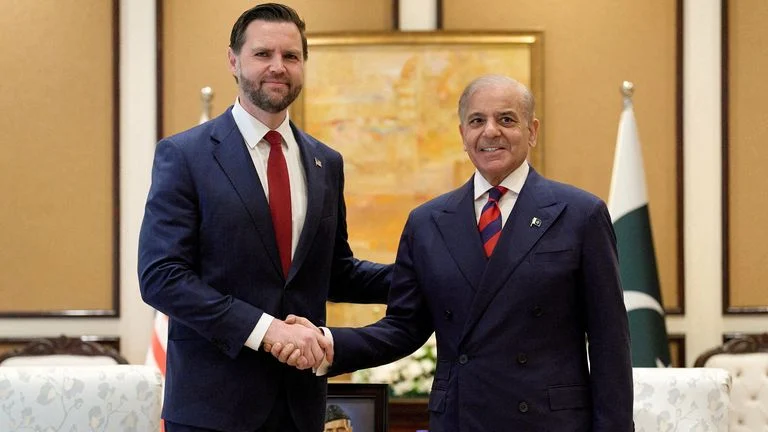
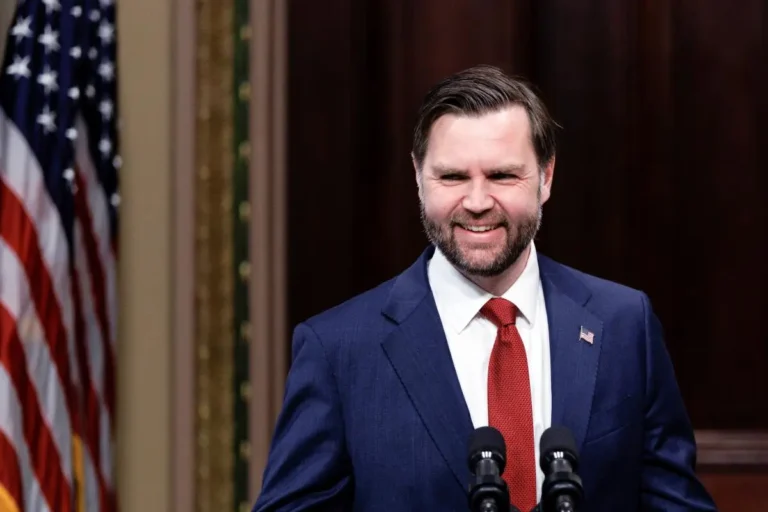
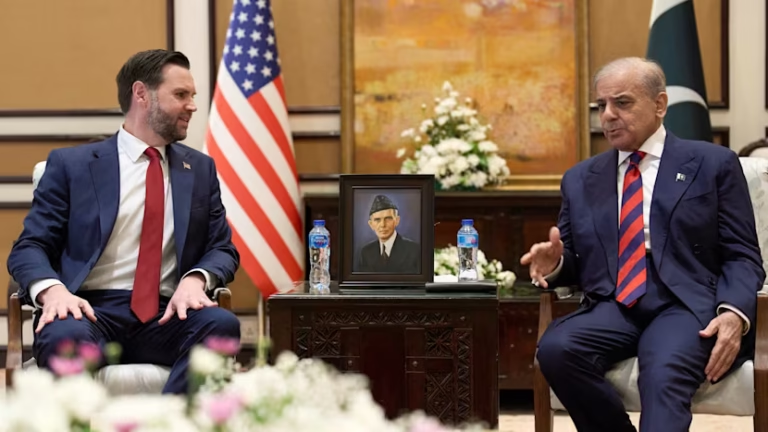
The announcement followed a 21-hour marathon of face-to-face talks in Pakistan. Vice President JD Vance, who led the American delegation, reported that the discussions reached a deadlock over Iran’s refusal to permanently abandon its nuclear ambitions. Conversely, Iranian representatives claimed the U.S. had failed to establish the necessary trust for a breakthrough.
Key figures at the summit included:
- U.S. Team: JD Vance, Jared Kushner, and special envoy Steve Witkoff.
- Iranian Team: Parliament Speaker Mohammad Bagher Ghalibaf and Foreign Minister Abbas Araghchi.
- Mediators: Pakistani Foreign Minister Ishaq Dar and Army Chief Asim Munir.
The Blockade and Economic Impact
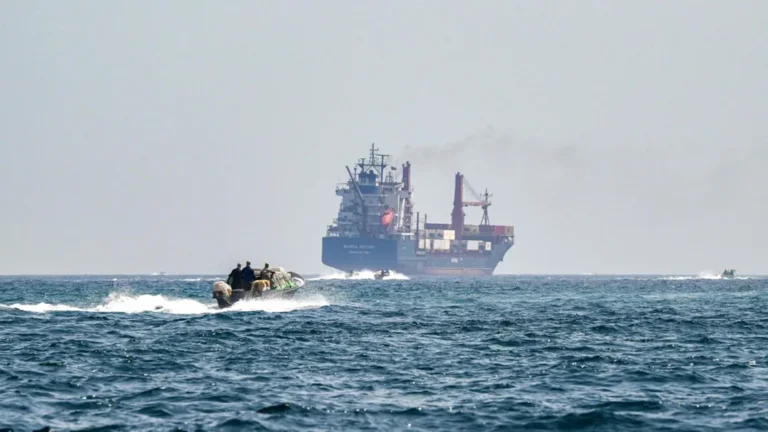
U.S. Central Command confirmed the blockade would commence Monday at 10 a.m. ET. The President accused Iran of “extortion” for charging tolls to commercial tankers and ordered the Navy to intercept any vessel attempting to enter or exit the waterway.
The immediate fallout included:
- Energy Markets: Crude oil prices surged, with U.S. crude rising 8% to over $104 and Brent crude hitting $102.
- Military Tension: Iran’s Revolutionary Guards labeled the blockade an act of war, vowing a “strong” response to any warships entering the area.
- Shipping Concerns: Approximately 100 tankers have utilized the strait since the conflict began, often paying millions in fees. Intercepting these ships many of which are bound for China and India threatens to strain U.S. relations with major global importers.
Rising Humanitarian and Regional Toll
The conflict, which began six weeks ago with U.S. and Israeli strikes, has already resulted in significant loss of life:
- Iran: 3,000+ casualties.
- Lebanon: 2,020 casualties.
- Israel: 23 casualties.
In a recent interview, Trump acknowledged that while hitting infrastructure like desalination plants would be “devastating,” he viewed it as a necessary lever. Meanwhile, international figures have called for restraint; Pope Leo XIV issued a plea for peace during his Sunday prayers, expressing solidarity with the people of Lebanon as Israeli strikes in the region continue to escalate.
Despite the breakdown, Pakistani officials are urging both nations to maintain the current ceasefire and return to the bargaining table to prevent a wider regional catastrophe.