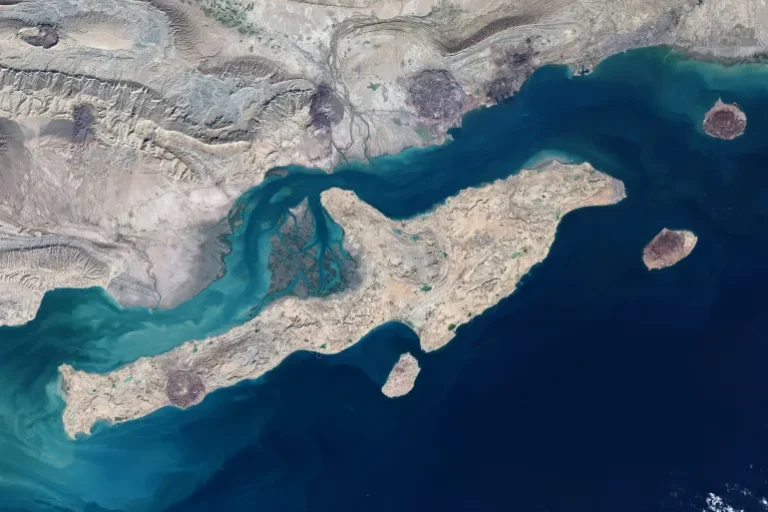
On Sunday, Donald Trump issued a warning to Tehran, giving Iran until Tuesday night to reopen the Strait of Hormuz or face US strikes on its power plants and bridges.
This escalation came after US forces rescued a second crew member from a downed F-15E fighter, concluding a two-day search following the plane’s crash in southwestern Iran.
Iran released images of several downed aircraft but did not dispute that US commandos had recovered the officer, who had taken refuge in a mountainous area while both American Special Forces and Iranian troops raced to reach him.
Trump has previously extended deadlines for Iran to reopen the strait, which has driven oil prices higher, moving the deadline from Monday to Tuesday in his expletive-laden posts. He later clarified that he meant Tuesday night.
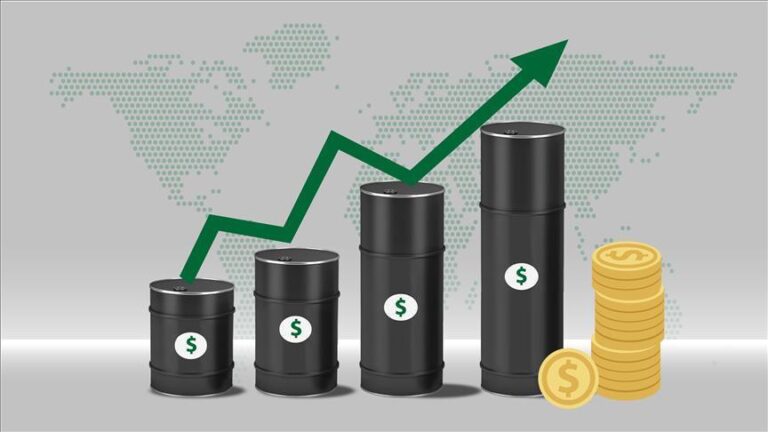
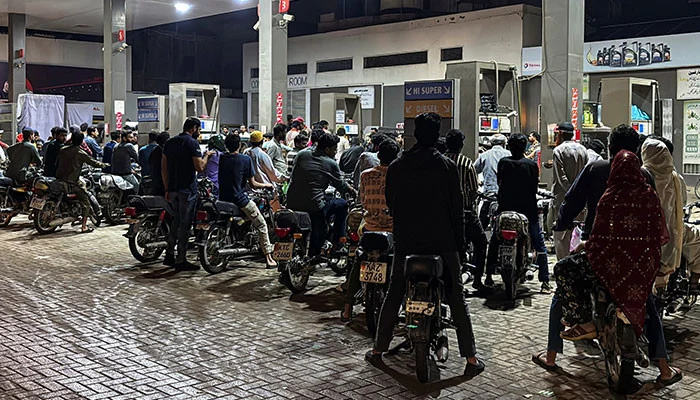
On Monday, crude oil prices opened higher, with West Texas Intermediate rising 1.86% above $112 per barrel and Brent surpassing $110. Trump also indicated that negotiations with Iran were ongoing, saying there was a “good chance” of reaching an agreement. However, he warned that if a deal isn’t reached quickly, he might resort to striking Iranian targets and seizing control of the oil. He later specified the deadline as “Tuesday, 8:00 P.M. Eastern Time.”
Since the US-Israeli conflict began on February 28, Trump has consistently maintained that Iran is interested in negotiating a deal.
Iran has confirmed that communication has occurred between the two sides, including via Pakistan, but maintains that it has not engaged in formal peace negotiations. Iranian officials are reportedly concerned about the risk of being targeted if they attempt to attend any talks, according to diplomatic sources.
Mohammad-Bagher Ghalibaf, the speaker of Iran’s parliament, reacted to Trump’s recent threats on social media, writing that “Your reckless actions are pushing the United States into a nightmare that affects every family, and our entire region could face destruction because you are following Netanyahu’s directives.”