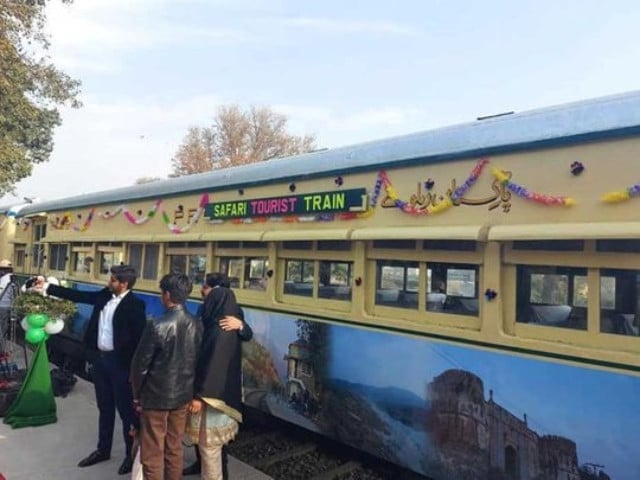
The Pakistan Railways has officially embarked on its fourth attempt to popularize the Safari Tourist Train, a specialized service designed to showcase the country’s rich architectural heritage and natural landscapes. Inaugurated by Railways Minister Hanif Abbasi, this relaunch features significant upgrades to the train’s infrastructure, including refurbished coaches and modern onboard facilities intended to provide a more luxurious travel experience. Operating on a weekly schedule, the train departs from the Rawalpindi Railway Station every Sunday at 10:00 am, serving as a dedicated excursion for families and history enthusiasts looking to explore the northern rail artery.
The route is a carefully curated journey through time and nature, winding past the lush Margalla Hills and stopping at culturally significant sites such as Golra Sharif and Taxila. Travelers are treated to a unique perspective of engineering feats, including the Sangjani Tunnel and the impressive Chablal and Haro Bridges. A primary highlight of the trip is the passage over the historic, 160-year-old iron bridge at Attock a monumental relic of the British era and the scenic views of the Ghazi Barotha Canal. The journey culminates at the colonial-era Attock Khurd station, where the train remains stationed for four to six hours. This extended intermission allows tourists ample time to immerse themselves in the local history and riverside scenery before the return leg of the trip concludes in Rawalpindi by evening.
To justify the revamped service, the department has introduced several high-end amenities, such as consistent Wi-Fi connectivity and a full catering service offering tea, snacks, and seasonal meals. However, these improvements coincide with a revised pricing strategy; fares for Economy and AC Business classes have seen a sharp increase of 15% to 20%, with tickets now priced between Rs 2,500 and Rs 4,000. Additionally, previous subsidies for children have been scaled back. While the Safari Train was a passion project for former ministers Sheikh Rashid and Azam Khan Swati, those earlier versions were ultimately derailed by unsustainable financial losses. This latest relaunch represents a high-stakes effort by Pakistan Railways to transform a heritage route into a profitable and enduring tourism staple.