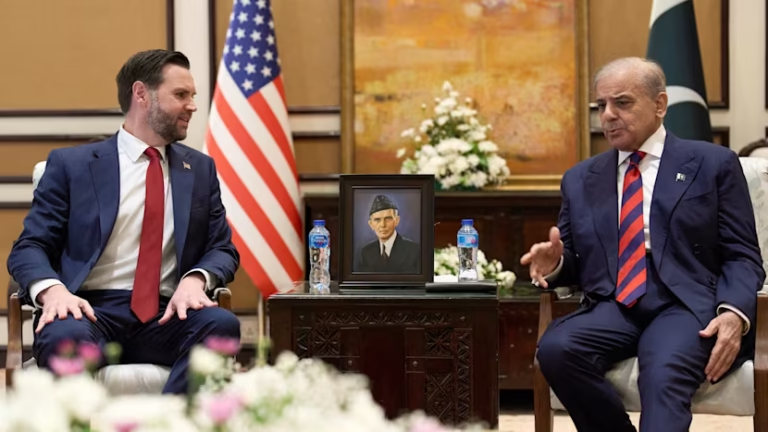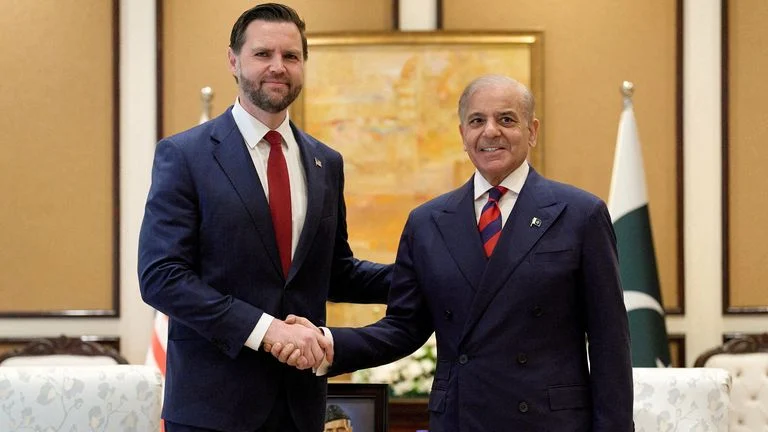
Diplomatic efforts in Islamabad ended Sunday without a resolution to the ongoing conflict between the United States and Iran, leaving the stability of a recent cease-fire in question.
Both nations traded blame for the breakdown of the 21-hour summit. The war, which erupted six weeks ago, has claimed thousands of lives and caused a significant spike in global energy costs.
“The lack of an agreement is unfortunate, and frankly, I believe this outcome is far more detrimental to Iran than to the U.S.,” stated Vice President JD Vance, who led the American team. Before departing, Vance emphasized that the U.S. remains firm on its “red lines.”
Official sources from Pakistan confirmed that both delegations have left the capital to return to their respective countries.
Nuclear Ambitions and “Red Lines”
According to Vance, the primary sticking point was Iran’s refusal to accept U.S. conditions regarding its nuclear capabilities.
“We require a definitive guarantee that Tehran will not pursue a nuclear weapon or the infrastructure necessary to develop one quickly,” Vance explained, noting that this remains a top priority for the administration. The Islamabad summit marked a historic moment, representing the first direct high-level contact between the two nations since the 1979 Revolution. However, the legacy of friction weighed heavily on the proceedings.
Iranian Perspective: The Tasnim news agency characterized American demands as “excessive.” While some progress was made on secondary issues, Iranian media identified the nuclear program and control over the Strait of Hormuz as the primary deal-breakers.
A spokesperson for Iran’s Foreign Ministry described the talks as being defined by “mistrust,” suggesting it was unrealistic to expect a total resolution in a single session.
Pakistani Foreign Minister Ishaq Dar stressed the importance of maintaining the current two-week truce. The conflict originally began on February 28 following joint U.S. and Israeli airstrikes on Iranian targets.
The Trump Administration’s Stance
While the negotiations were underway, President Trump expressed skepticism about the necessity of a formal deal, claiming the U.S. had already achieved its strategic goals.
“Whether we sign an agreement or not is immaterial to me because we have already prevailed,” Trump told the press.
The American delegation notably included high-profile figures such as Jared Kushner and special envoy Steve Witkoff. The Iranian side was represented by Foreign Minister Abbas Araghchi and Parliamentary Speaker Mohammad Baqer Ghalibaf.
Conflict over the Strait of Hormuz
A central point of contention remains the Strait of Hormuz, where roughly 20% of the world’s oil passes. While the U.S. demands free passage for shipping, Iran is seeking:
- Full control over the waterway.
- The right to collect transit fees.
- The release of frozen assets in foreign banks.
- War reparations and a regional cease-fire.
In a sign of potential de-escalation, three oil tankers were spotted exiting the Gulf on Saturday the first since the cease-fire began. However, hundreds of vessels remain stranded as the two-week window continues.
The situation is further complicated by Israel’s ongoing operations against Hezbollah in Lebanon. While Iran insists that any peace deal must include an end to the fighting in Lebanon, Israel maintains that its campaign against the Tehran-backed group is separate from the U.S.-Iran negotiations. Even as diplomats met in Islamabad, Israeli airstrikes continued in Beirut capital of Lebanon, and rocket sirens were heard in northern Israel, highlighting the extreme fragility of the regional peace.