
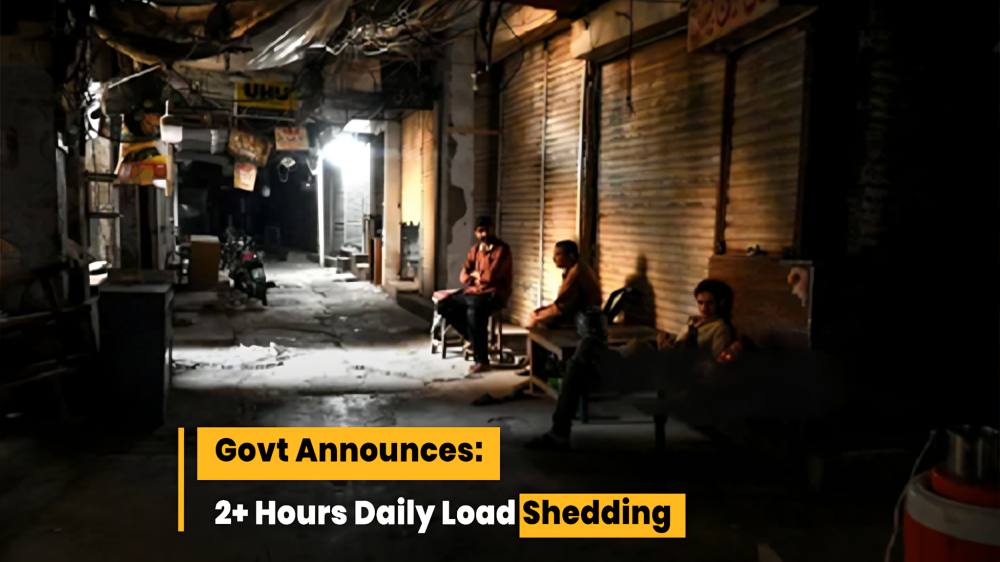
Faced with severe fuel shortages, the federal government has officially introduced a daily power suspension of 2 hours during peak times. This move is designed to shield consumers from a dramatic spike in electricity bills.
Details of the Load Management Plan
- Duration: Approximately 2 hours and 15 minutes daily.
- Timing: Specifically during peak demand hours between 5:00 PM and 1:00 AM.
- Geographic Exemptions: K-Electric and Hesco are excluded from this schedule because cheaper energy sources remain accessible in the southern region.
- Transparency: Distribution companies (DISCOs) are required to provide feeder-specific schedules. The Power Division has emphasized that unscheduled outages are prohibited, and any local technical faults must be communicated to the public immediately.
Global Turmoil and Fuel Constraints
The current energy squeeze is largely a byproduct of international instability. Following a declaration of force majeure by Qatar Pakistan’s primary LNG provider imports have been suspended. This disruption was triggered by attacks on Qatari gas fields amid the escalating US-Israel-Iran conflict.
While the national grid has the technical capacity to meet total demand, doing so during peak hours would require burning high-cost furnace oil. This is further complicated by a seasonal dip in hydel (hydroelectric) generation.
Economic Impact and Tariff Control
The government’s primary goal is to prevent the “price shock” that would occur if expensive fuels were used to fill the supply gap. The Power Division provided a breakdown of the potential financial impact:
By diverting 80 mmcfd of domestic gas to power stations, the government has already successfully neutralized a potential 80-paisa-per-unit hike.
The Power Division clarified that this measure should be viewed as a “Peak Relief Strategy” rather than traditional load shedding. The government highlighted that structural reforms and efficient planning had already lowered average tariffs by 71 paisa per unit between July and February, providing Rs 46 billion in relief to the public.
To further stabilize the system, federal authorities are encouraging provincial cooperation, including the early closure of commercial markets to reduce the total load on the national grid during evening hours.




Really liking the vibe of this platform. The registration process was quick and I was playing in minutes. rusia777 is definitely my new favorite hangout.
I’ve been looking for a reliable platform and this one really delivers. The games are smooth and the payouts are fast. Definitely check out brbet777bet if you want a great experience.
Top notch gaming experience! The variety of slots is amazing and I love the daily bonuses they provide. Highly recommend checking out bdbt777.
The slots here are so addictive and the themes are really cool. I had a blast winning a few big pots last night. Check out dremjilislot today.
Finally found a site that doesn’t lag during peak hours. The game variety here is insane and the rewards are actually fair. Give bat939game a shot, you won’t regret it.
Such a refreshing experience. The games are diverse and the rewards are actually attainable. I’m spending way too much time on br888game33 lately