
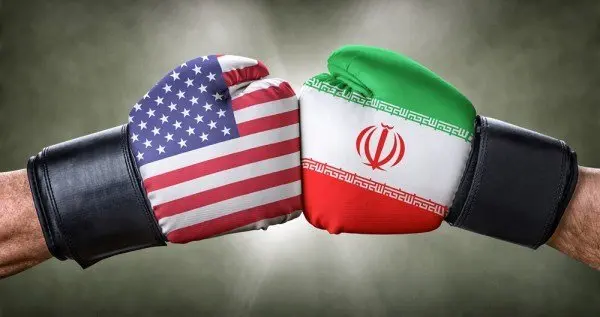
Iran challenges United States to reopen Strait of Hormuz as tensions in the Middle East continue to escalate, putting global energy markets and international trade at risk. The strategic waterway, which carries nearly 20% of the world’s oil supply, has become a focal point of conflict between Iran and Western powers.
Iranian officials have openly questioned the ability of the United States and its allies to restore safe navigation in the region, warning that any attempt to forcefully reopen the strait could lead to further escalation.
The statement reflects growing geopolitical friction as military activity intensifies across the Gulf region.
Why the Strait of Hormuz Matters
The Strait of Hormuz is one of the most important maritime chokepoints in the world. It connects the Persian Gulf to the Arabian Sea, allowing oil exports from major producers such as Saudi Arabia, the UAE, Kuwait, Iraq, and Iran to reach global markets.
Any disruption in this narrow waterway has immediate consequences:
- Increase in global oil prices
- Supply chain disruptions
- Inflation across major economies
- Rising shipping and insurance costs
Recent reports indicate that oil prices have already surged above $100 per barrel due to ongoing instability in the region.
Iran’s Position and Strategic Message
The statement that Iran challenges United States to reopen Strait of Hormuz highlights Tehran’s strategic posture in the ongoing conflict.
Iran has indicated that:
- It maintains control over the strait
- Any passage depends on its security conditions
- Foreign military intervention will not guarantee safe transit
Experts say Iran possesses significant capabilities in the region, including:
- Anti-ship missiles
- Naval mines
- Fast attack boats
- Drone warfare
These capabilities make reopening the strait extremely difficult without direct confrontation.
US Efforts to Reopen the Strait
The United States has been exploring multiple strategies to ensure safe passage through the Strait of Hormuz.
These include:
- Deploying advanced surveillance aircraft
- Using long-range bombers and naval forces
- Coordinating with allies for escort missions
Military experts suggest that reopening the strait would require not only naval strength but also intelligence, coordination, and sustained operations in a highly contested environment.
However, global support for such operations has been limited, with some allies hesitant to engage in direct confrontation.
Ongoing Conflict and Escalation
The crisis is part of a broader regional conflict that began in early 2026. Since then:
- Airstrikes have targeted key Iranian infrastructure
- Drone attacks have hit oil facilities and shipping routes
- Military casualties have been reported across multiple countries
The situation remains volatile, with no clear resolution in sight.
In recent developments, attacks and disruptions in the Gulf have further reduced shipping activity, intensifying fears of a prolonged energy crisis.
Impact on Global Oil and Economy
The disruption caused by the Strait of Hormuz crisis is already being felt worldwide.
Key impacts include:
1. Rising Oil Prices
Oil markets have reacted sharply, with prices crossing $100 per barrel amid supply fears.
2. Supply Chain Uncertainty
Shipping delays and rerouting are affecting global trade.
3. Economic Pressure
Countries dependent on imported energy are facing inflation and economic strain.
The International Energy Agency (IEA) has even considered releasing emergency oil reserves to stabilize markets.
International Reactions
The global response to the situation has been cautious.
- Some countries have called for diplomatic negotiations
- Others are considering limited military support
- International organizations are urging de-escalation
Experts warn that prolonged conflict could destabilize not only the Middle East but also the global economy.
What Happens Next?
The situation surrounding the Strait of Hormuz remains highly uncertain.
Key possibilities include:
- Diplomatic resolution and reopening of the strait
- Continued restrictions with partial shipping access
- Full-scale military escalation
Iran’s challenge to the United States signals that control over the strait will remain a central issue in the ongoing conflict.
Conclusion
The statement that Iran challenges United States to reopen Strait of Hormuz underscores the seriousness of the current geopolitical crisis. With global oil supplies at risk and tensions escalating, the future of this critical shipping route remains uncertain.
As world powers navigate this complex situation, the balance between military action and diplomatic solutions will determine whether stability can be restored in one of the world’s most important economic corridors.
For now, the Strait of Hormuz continues to stand at the center of global attention a symbol of both strategic power and economic vulnerability.




I’ve been looking for a reliable place to play and this one really delivers. The login process is smooth and the interface is very user friendly. Highly recommend 888win9comlogin for anyone starting out.
The VIP treatment here is actually real. I feel like a valued player and the rewards keep coming. If you want a premium feel, head over to vipphlogin.
Love the variety of games here. I had a great run last night and the customer support was very helpful with my deposit. Check out phjilibit
Great selection of games and the graphics are top notch. I spend a lot of my free time here and never get bored. vnjun885
The login process is super fast and I never have issues accessing my account. Very stable platform overall. Glad I found phph143comlogin.