
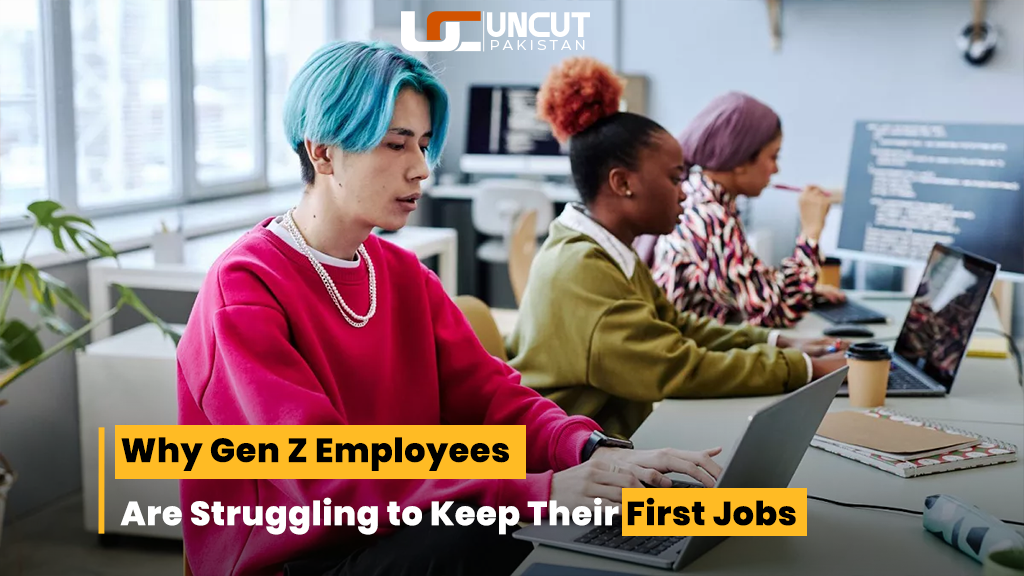
They’re smart, connected, and full of ideas so what’s going wrong in those first few months at work? Gen Z people born between 1997 and 2012 are now entering the workforce in large numbers. They grew up with smartphones, social media, and instant everything. But many of them are finding it really hard to hold onto their first job. Managers are frustrated. Young workers are confused. And everyone is asking the same question: what’s going wrong?
Let’s just keep it simple, honest terms, no blame, no judgment. Just a real look at what’s happening and why.
The Big Reasons Why First Jobs Aren’t Sticking
1-They expect feedback fast
Gen Z grew up getting instant likes, comments, and reactions. At work, feedback comes slowly sometimes once a year in a formal review. This gap feels frustrating and confusing. Many quit before they even get a chance to improve.
2- Communication style mismatch
They text, they DM, they voice-note. But many workplaces still run on emails, phone calls, and face-to-face meetings. Gen Z can struggle with these older formats and sometimes come across as rude or distant when they’re just being themselves.
3- Mental health challenges
This generation is more open about anxiety, crashout, and stress than any before them. That’s a good thing but many workplaces aren’t equipped to support it. The pressure of a first job, combined with a lack of emotional support, can make it feel impossible to cope.
4- They want meaning, not just money
Gen Z wants to feel like their work matters. If a job feels pointless or the company’s values don’t match their own, they’ll leave even without another job lined up. Older generations might see this as reckless. Gen Z sees it as self-respect.
5- Difficulty with office politics and unwritten rules
Every workplace has invisible rules on how to talk to your boss, when to speak up, and how to handle a conflict. Nobody teaches these things formally. Gen Z, used to structured environments like school and social media, often struggles here.
6- Remote work changed everything then changed back
Many Gen Z workers started their careers during COVID, working from home. Now that offices are back, they’re struggling with commuting, in-person dynamics, and the social energy that full-time office life demands.
“Gen Z doesn’t lack ambition. They lack a roadmap for how traditional work actually works and employers rarely hand them one.”
Is it really Gen Z’s fault?
Honestly? Not entirely. Workplaces also need to evolve. Many companies still use management styles built for a different era. They expect young workers to “figure it out” on their own, offer little mentoring, and mistake boundary-setting for laziness.
A 22-year-old showing up to their first real job is doing something genuinely hard. They’re navigating new social rules, new expectations, and a whole new identity all at once. A little understanding goes a long way.
What can help?
For young workers
Ask questions early. Learn the unwritten rules by watching, not assuming. Set up regular check-ins with your manager. Be patient, growth at work is slower than a social media algorithm.
For employers
Create clear onboarding. Give regular, honest feedback. Don’t confuse directness for disrespect. Invest in mentorship programs. Meet this generation where they are not where you were at their age.
Final thoughts
Gen Z isn’t a problem to be solved. They’re a generation that grew up differently, thinks differently, and works differently. The workplaces that figure out how to bridge that gap won’t just retain their young employees, they’ll get the best out of them. The first job is supposed to be hard. But it doesn’t have to be impossible.