
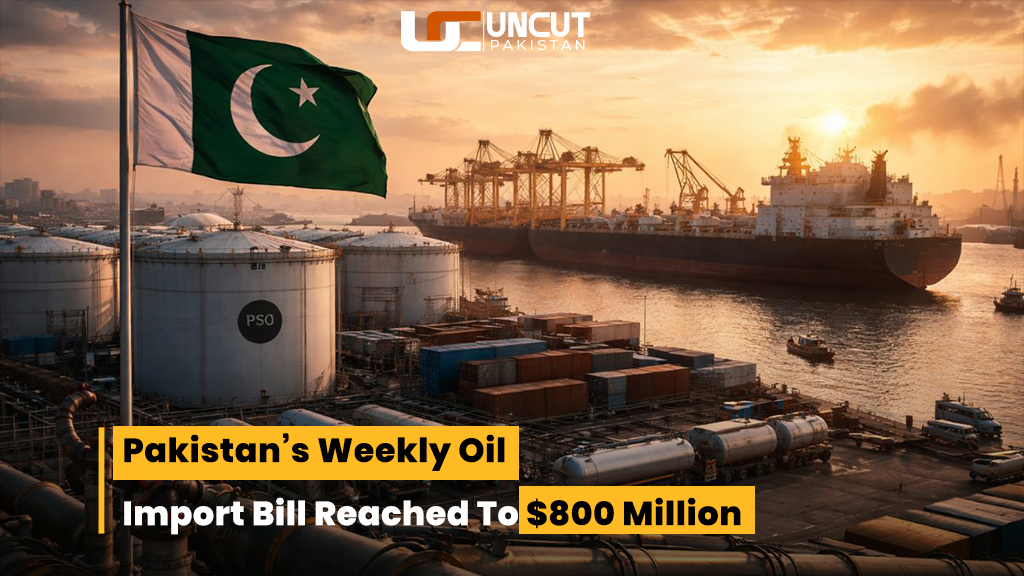
Prime Minister Shehbaz Sharif said that the conflict in the Middle East is badly affecting Pakistan’s economy. He explained that Pakistan now has to spend about $800 million every week on importing oil, which is much higher than before the war. Earlier, the country used to spend around $300 million per week on oil imports.
Read More: Pakistan Inflation To Hit 21 Month High Due To Fuel Hike Price
The sudden spike follows two months of global fuel price volatility triggered by the paralysis of shipping routes through the strait of Hormuz. This maritime deadlock began after joint military strikes were launched on February 28, sending shockwaves through international energy markets.
Even though the situation looks serious because of the shortage, Shehbaz Sharif said he is confident that the government is managing it well.
He praised Petroleum Minister Ali Pervaiz Malik for keeping the fuel supply system stable under difficult conditions. He also said that there is enough petrol and other fuel available right now, and the situation is satisfactory.
The Prime Minister also noted a shift in public behavior, observing that domestic fuel consumption has dropped compared to previous weeks. To protect citizens from the brunt of the price hikes, the federal government is currently in talks with provincial authorities to roll out targeted fuel subsidies.
Read More: Subsidy for Motorcycles Does Not Bring Expected Relief
Economic Setbacks and Foreign Support
The Prime Minister admitted that the war has been a major blow to Pakistan’s recovery. “Our efforts of two years have witnessed a setback,” he remarked, noting that the country was on a strong macroeconomic path before the regional conflict erupted. Insights from the IMF economic outlook on Pakistan also highlight similar risks.
However, the news wasn’t entirely hopeless. The PM highlighted the resilience of Pakistan’s foreign exchange reserves:
- UAE Debt Repayment: Pakistan successfully returned a $3.45 billion deposit to the United Arab Emirates.
- Saudi Arabia’s Boost: In a major show of support, Saudi Arabia recently transferred a $3 billion deposit and agreed to extend a $5 billion credit facility for an additional three years.
Pakistan’s Diplomatic Role
Beyond the economy, the cabinet was briefed on Pakistan’s active role in regional peacemaking. PM Shehbaz highlighted the Islamabad Talks held in early April as a cornerstone of the country’s diplomatic outreach.
He extended special praise to:
- Chief of Defence Forces, Field Marshal Asim Munir
- Deputy PM/Foreign Minister Ishaq Dar
The Premier credited these coordinated efforts with helping secure the ceasefire extension announced by US President Donald Trump on April 21.
The briefing concluded with a mention of the high-level visits by Iranian Foreign Minister Abbas Araghchi. After intensive meetings with Pakistani leadership, the Iranian diplomat has returned to Tehran to consult on a path forward for regional stability. While Pakistan’s energy bill has more than doubled, the combination of strategic foreign deposits and aggressive diplomacy has kept the country’s financial head above water during one of the most volatile periods in recent history.